
Kolibri Evo
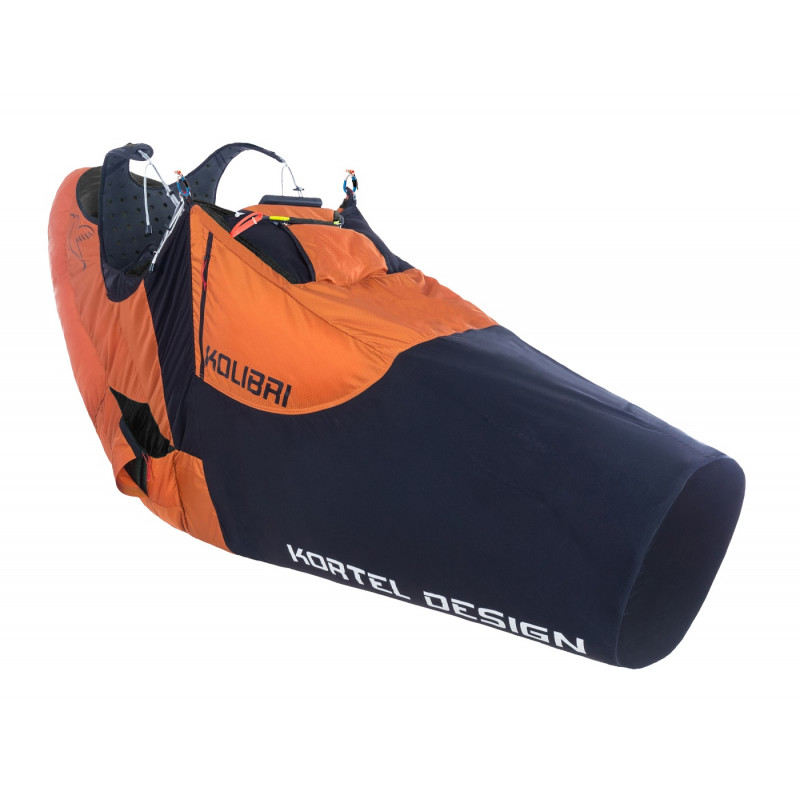
Kolibri Evo
For more information, click on the link :
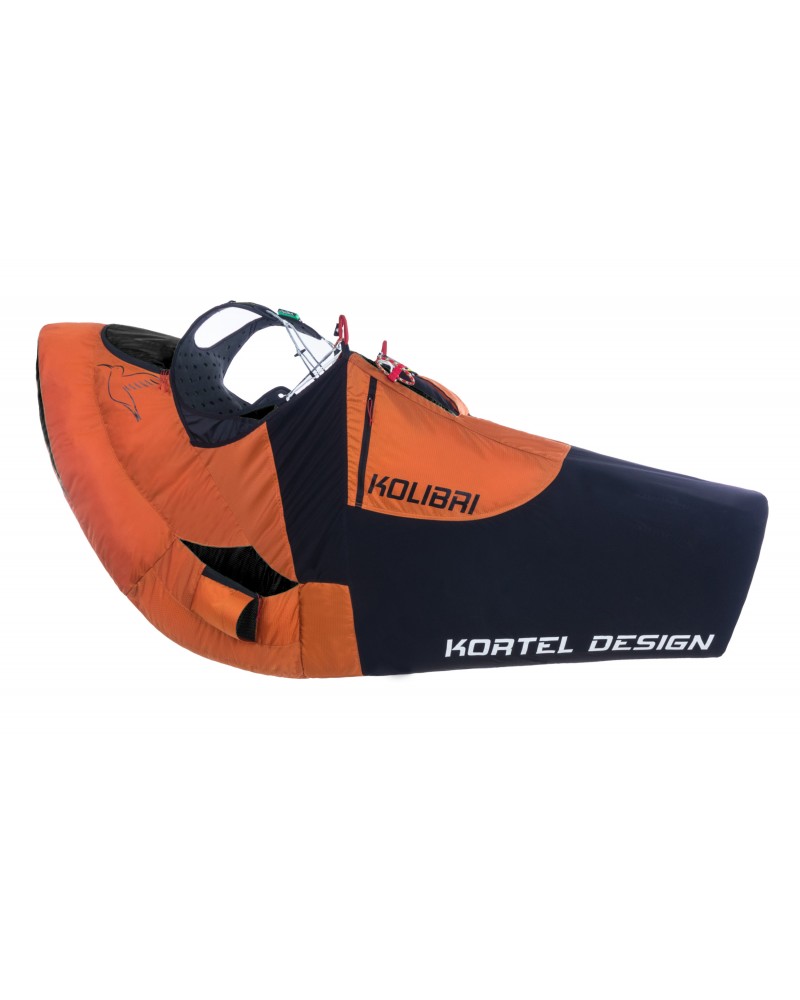
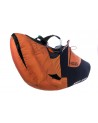
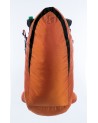
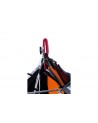
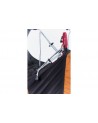
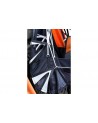
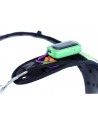
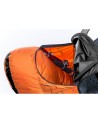
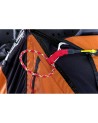
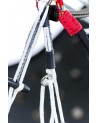
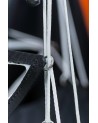
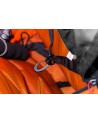
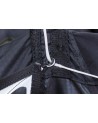
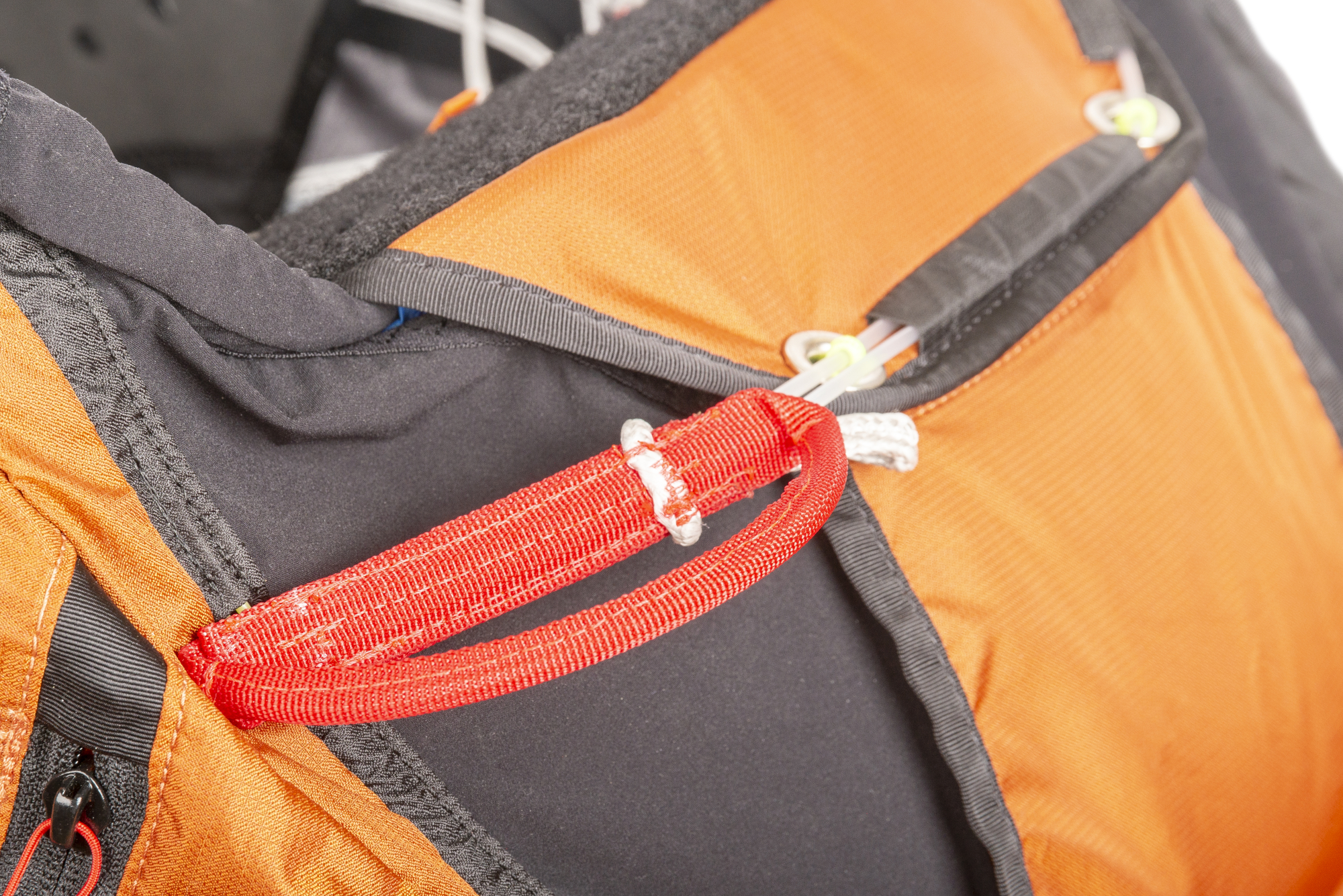
Front rescue pocket
Parachute volume between 2.6L and 4.6L
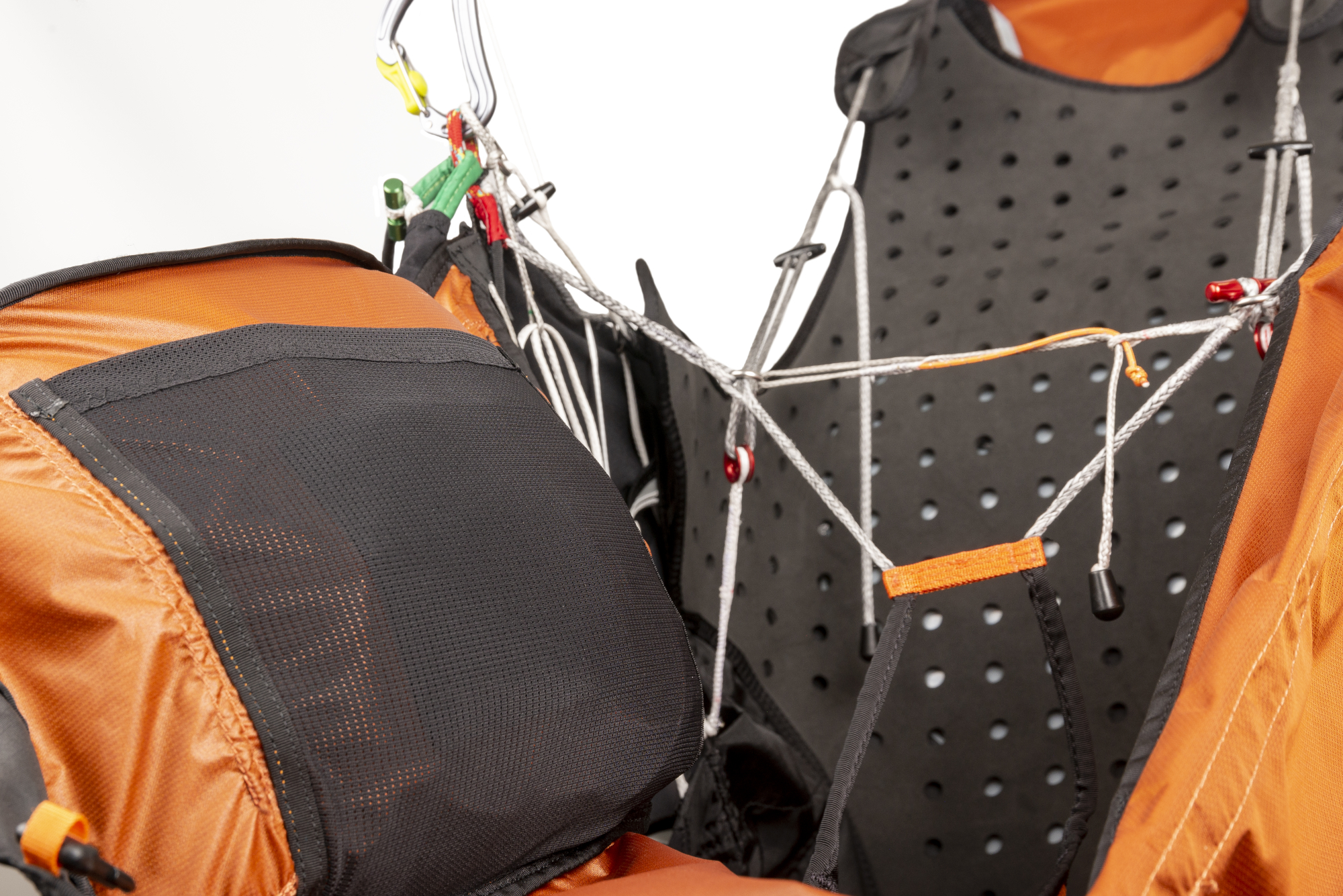
Front pocket
Front elastic pocket under the emergency container for external batteries
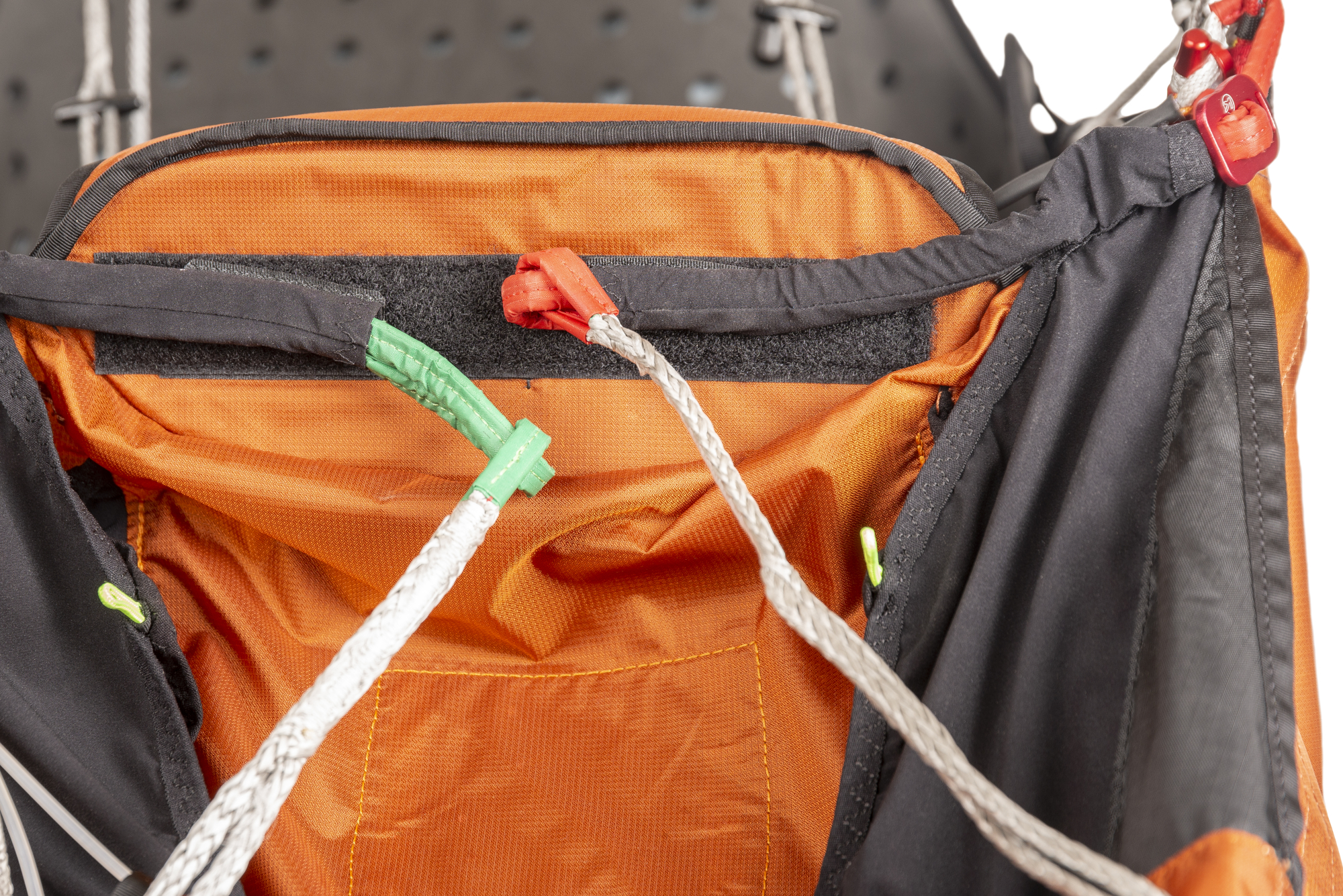
Connection of reserve risers
Connection for all types of elevators (Lifts not supplied)
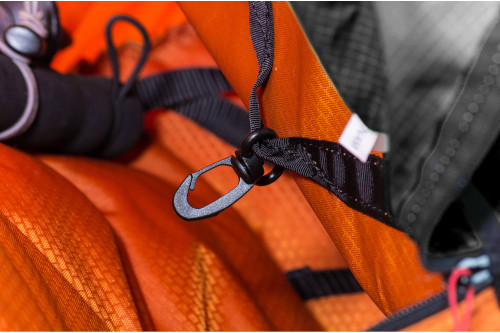
Camelback Fixation
The dorsal pocket integrates a fastener for the camelback.
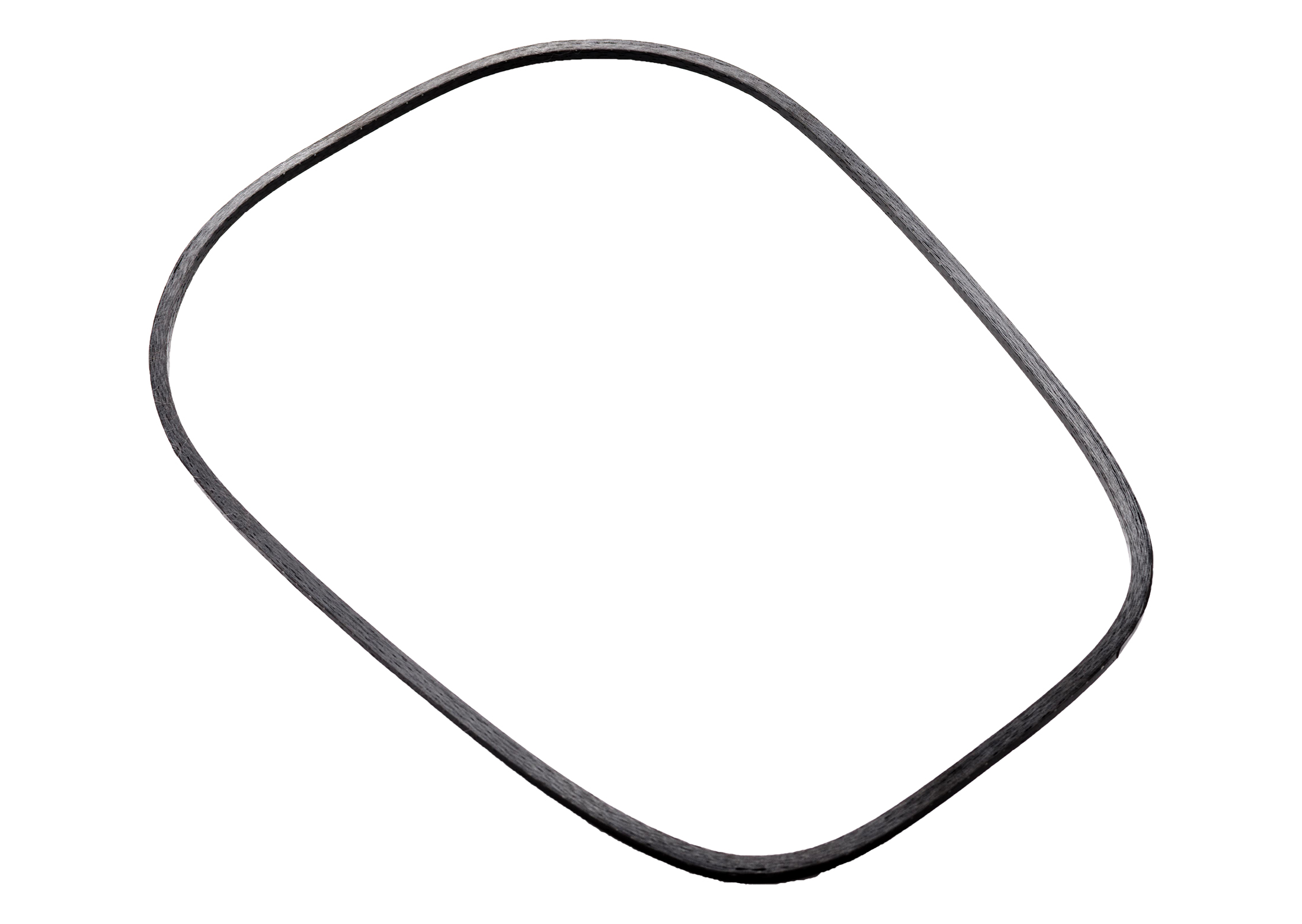
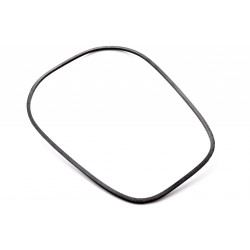
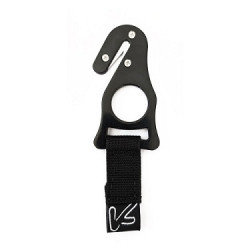
45g Carbon Ring
A Kortel Design exclusivity. The carbon ring, twice as light as a carbon plate, much more durable!
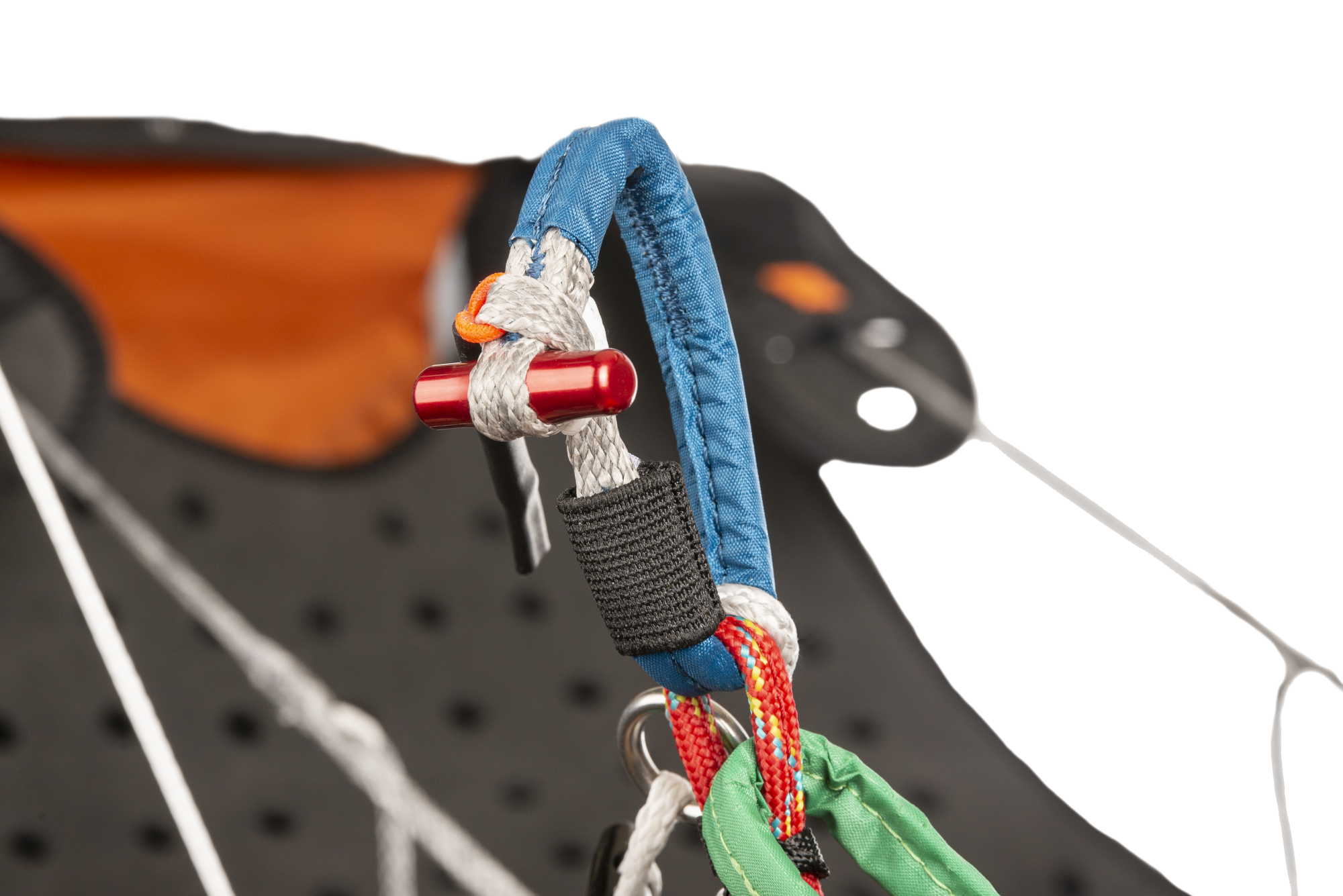
T-Bone Links
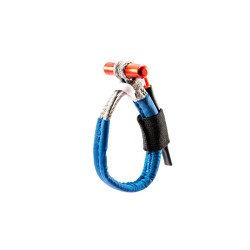
T-Bone links as standard (strength >2400 DaN) for a safe and light connection to the wing
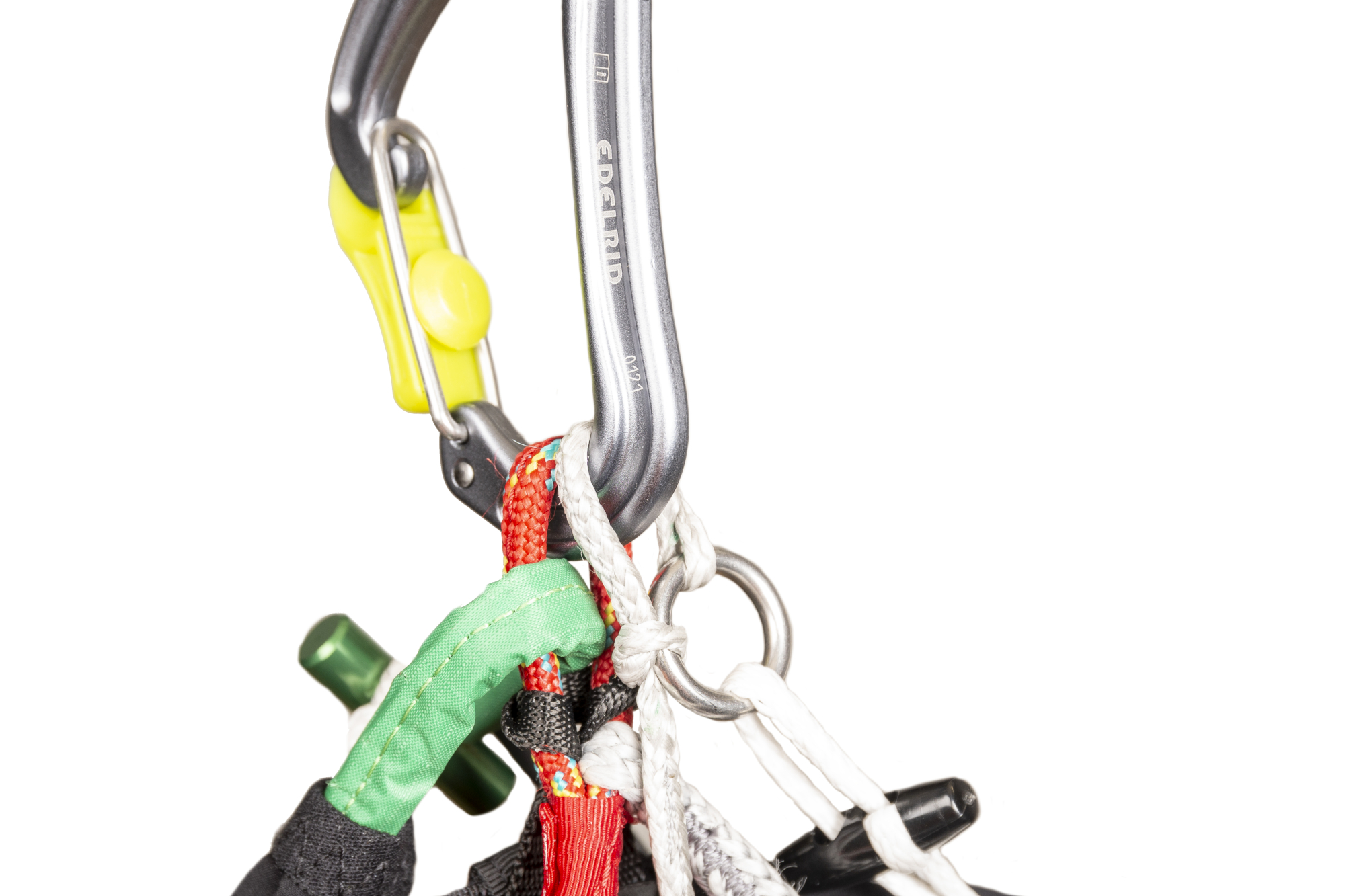
Light carabiner connection
New geometry, enabling the T-Bone links to be replaced by lightweight carabiners
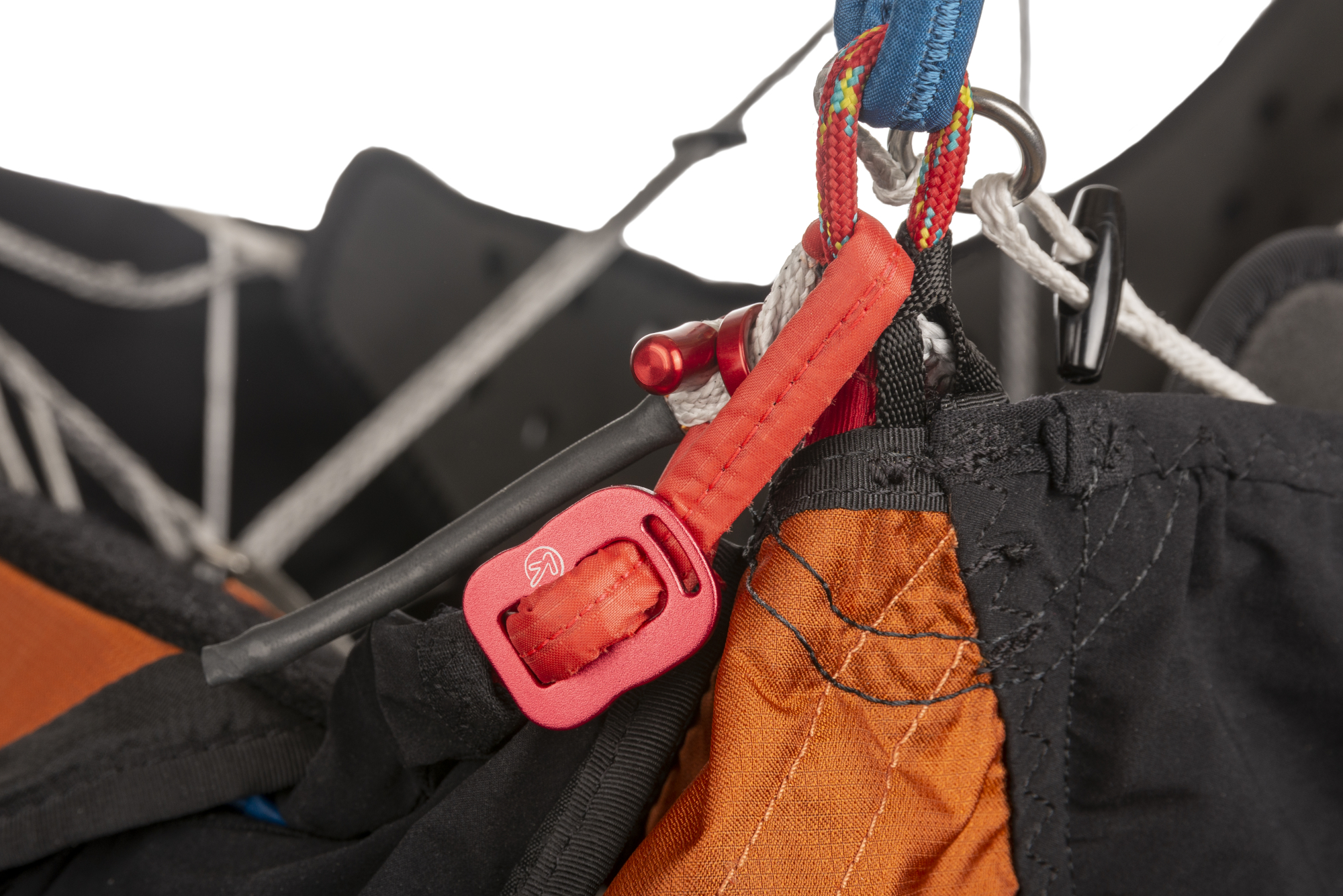
Secure reserve connection
The connection for the rescue is an intergral part of the cocoon closure.
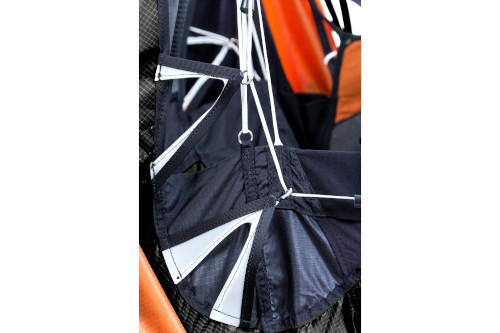
speed bar
The pressure of the speed-bar is diffused throughout the hips to reduce hard spots.
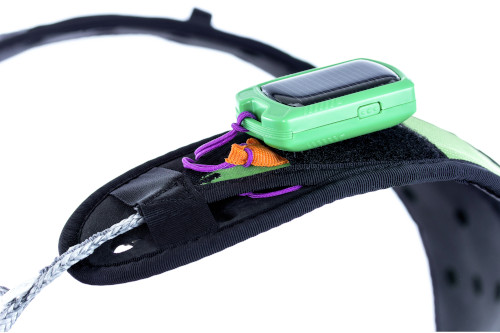
Integrated Vario support
Attachment for mini-Vario integrated in the shoulder
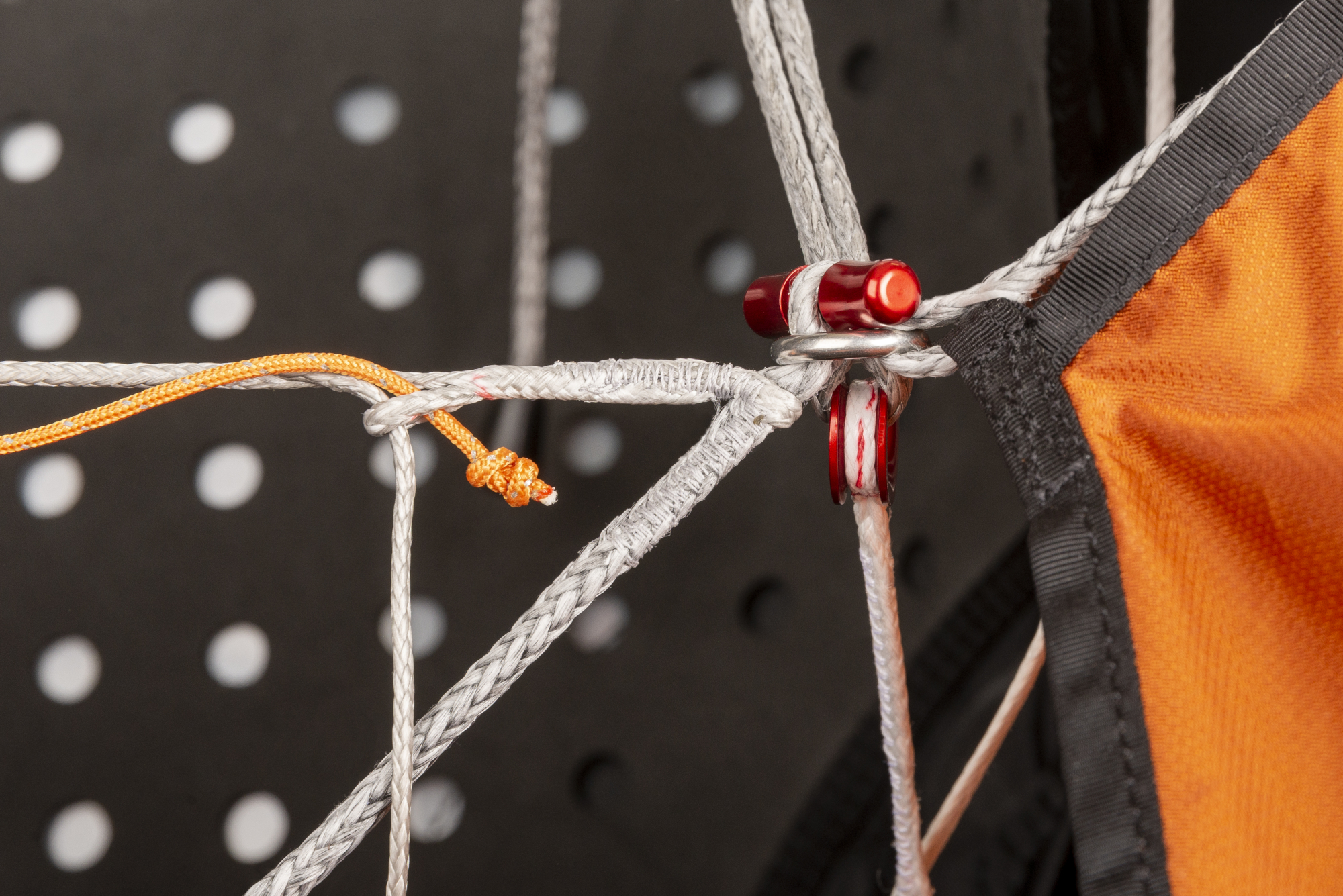
Openable thigh
Openable thigh system, a feature borrowed from the Kolibri PRO
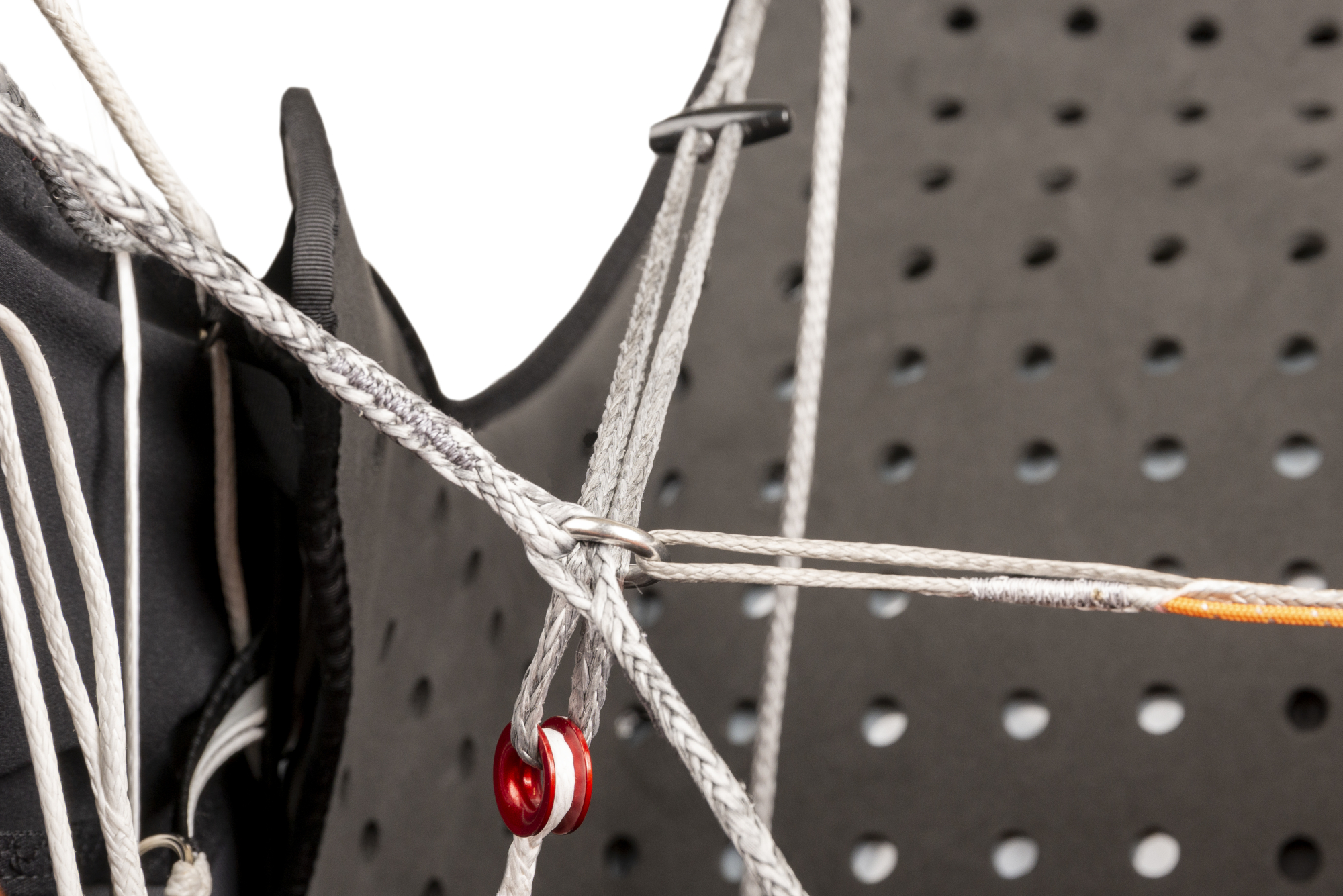
Sliding shoulders
Sliding of the shoulder halyards for a more comfortable standing position.
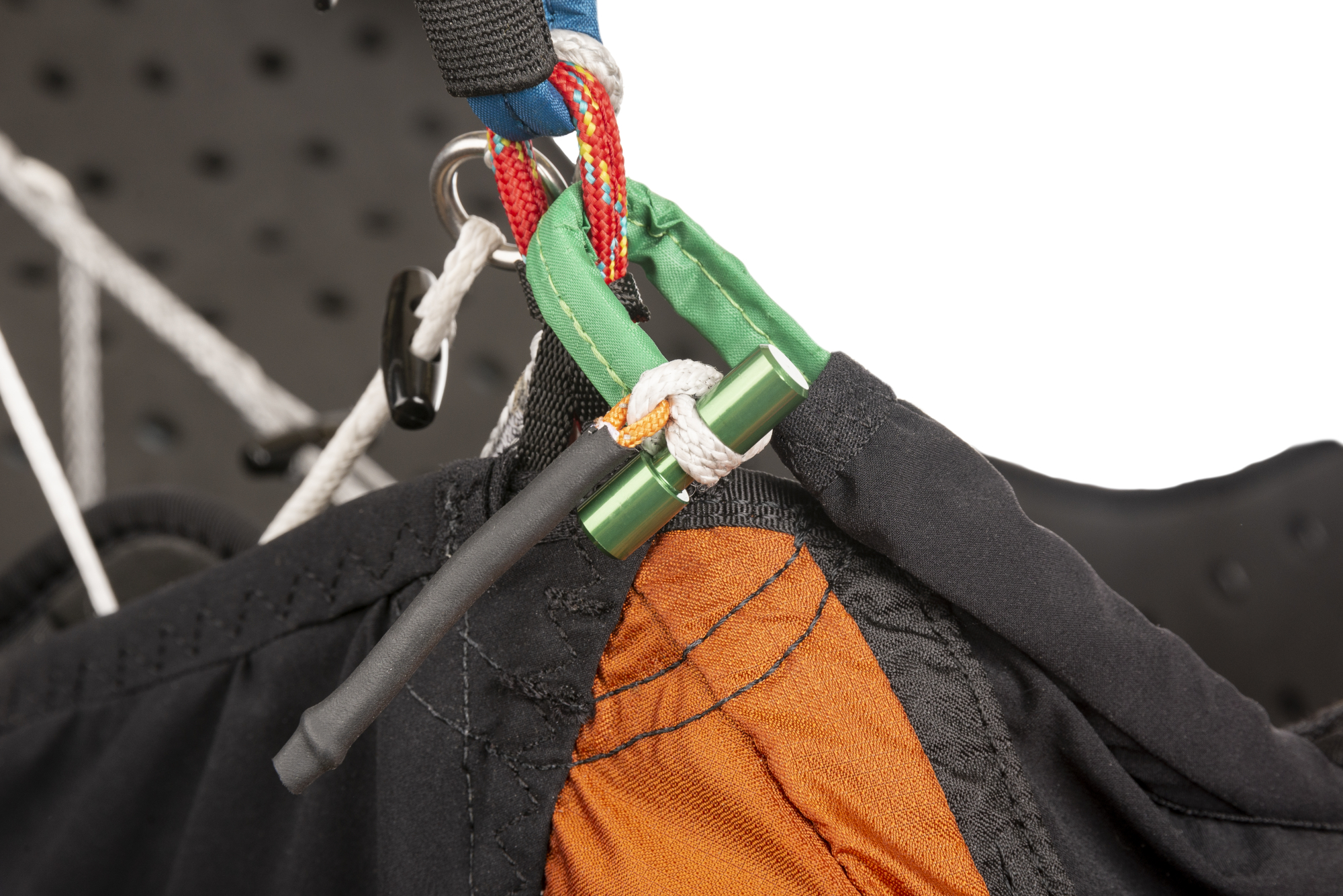
Konnect system
Connecting emergency risers using the Konnect system
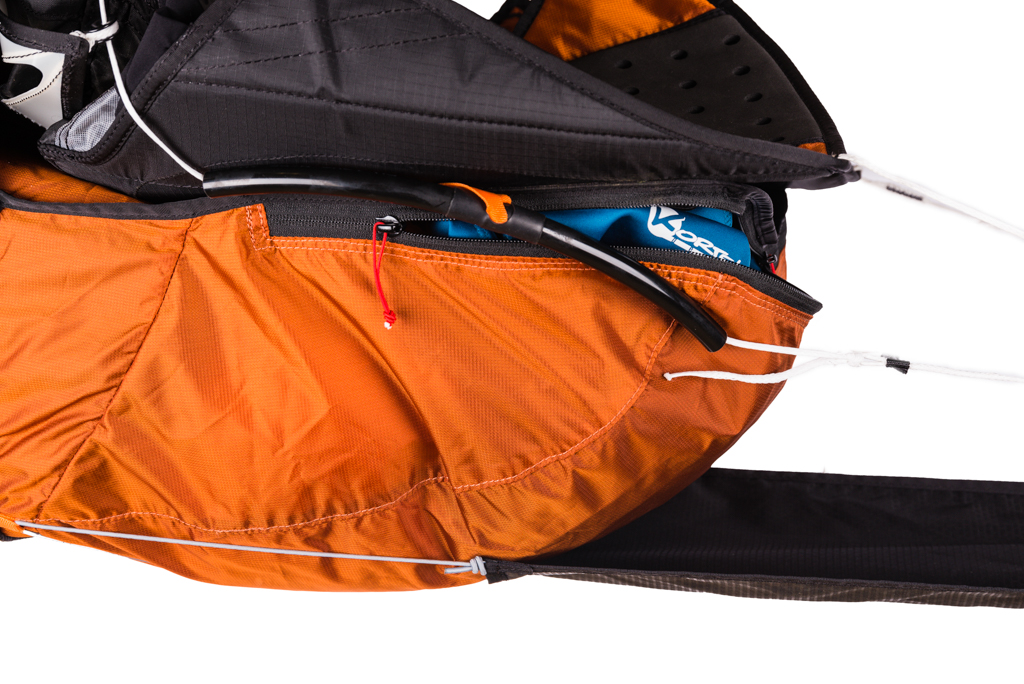
Lower Pocket
Large storage pocket under the legs. Preferable to the back pocket for heavy or sharp contents which may otherwise harm your back.
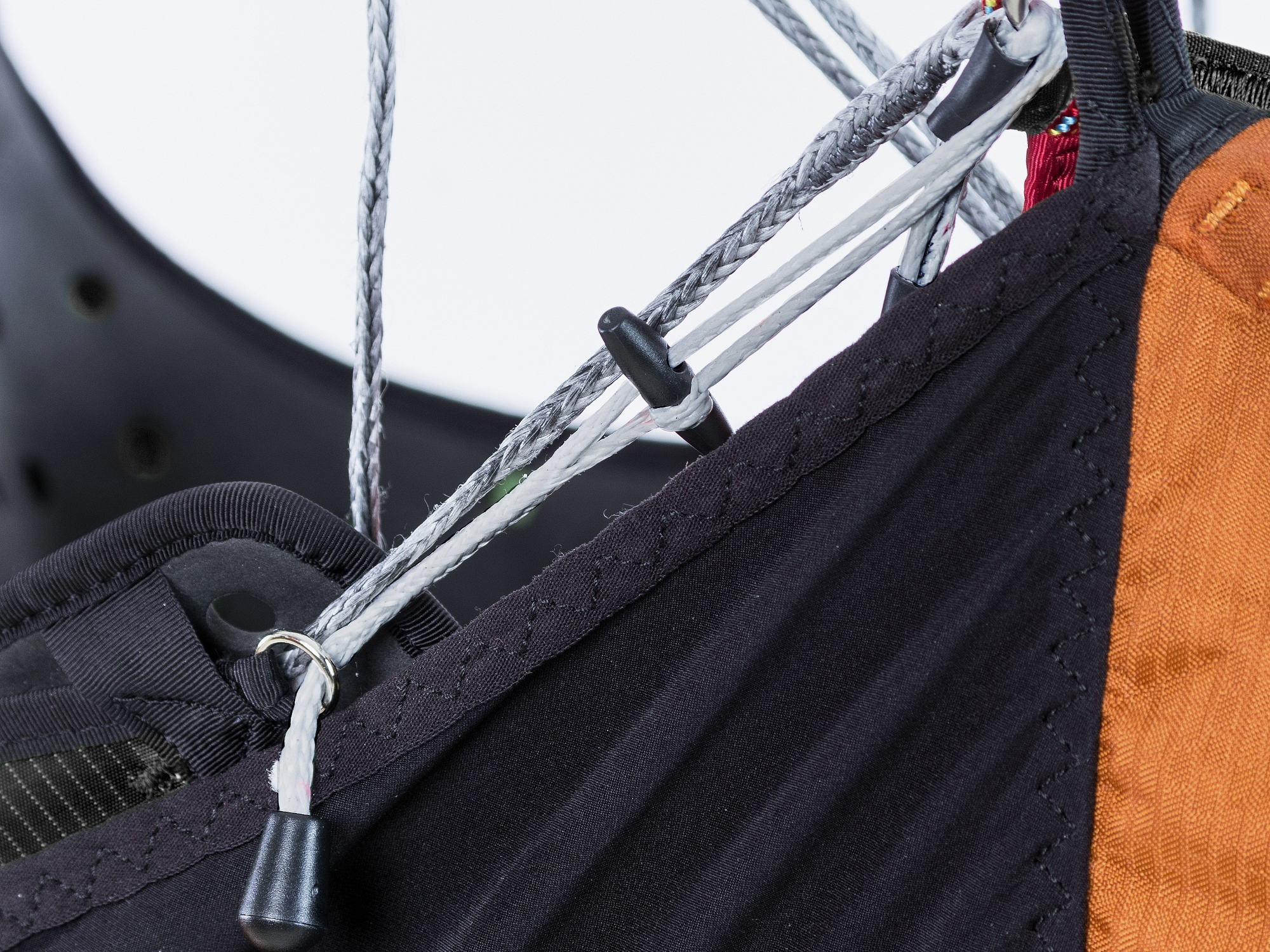
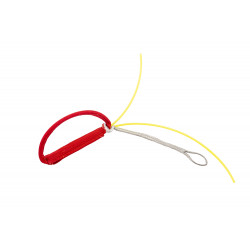
Adjustment by sliding Splice
All harness adjustments harness made using an adjustable splicing system that is simple, lightweight, and extremely reliable.
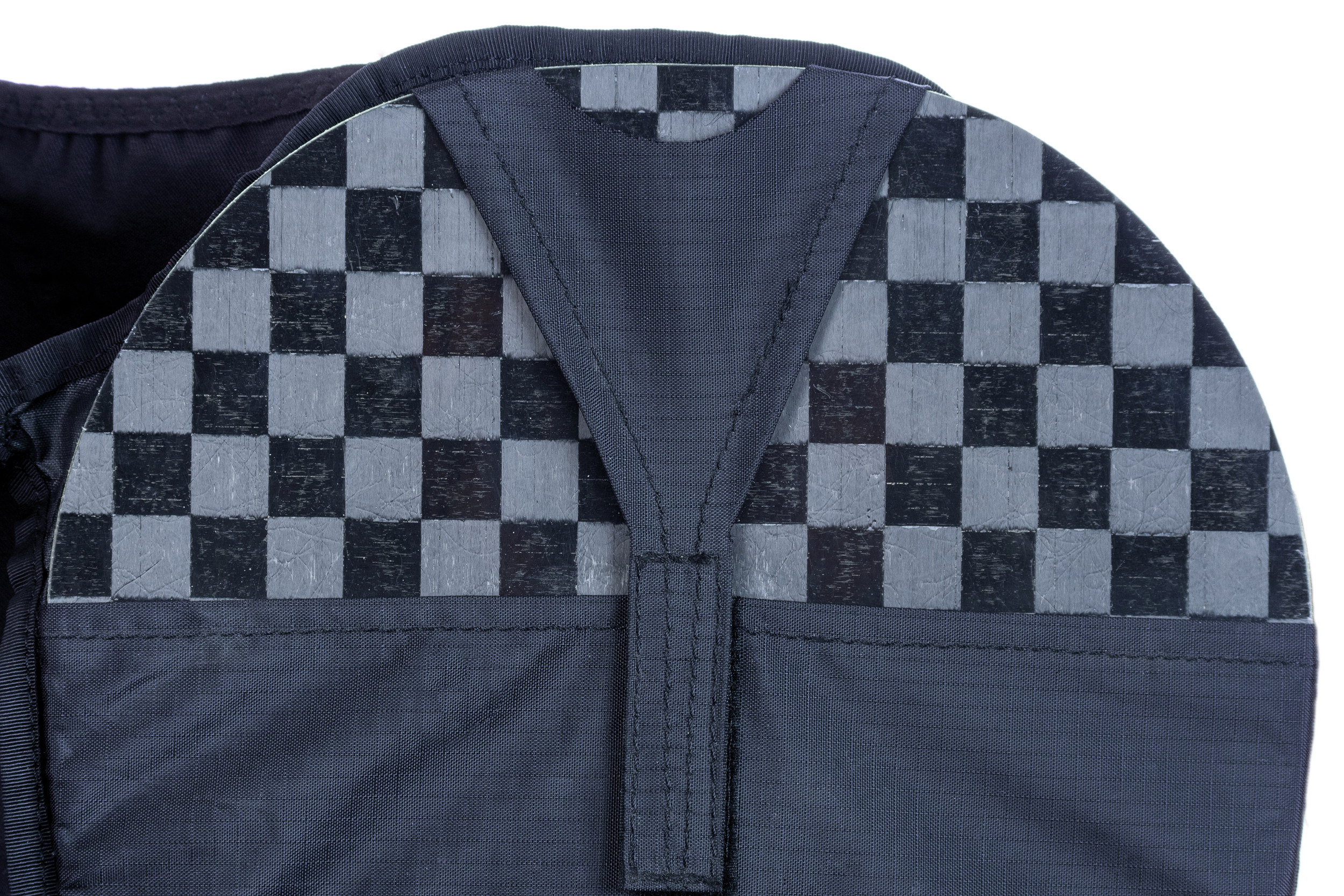
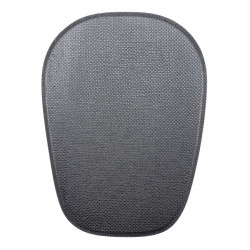
Karbone plate
If the feeling of the carbon ring disturbs you, it is always possible to opt for the traditional carbon plate.
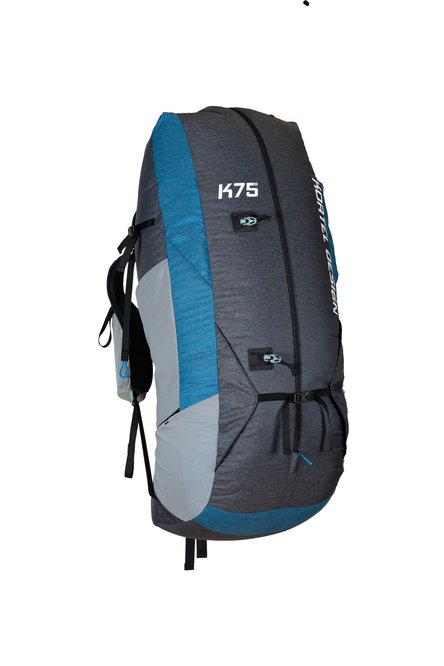
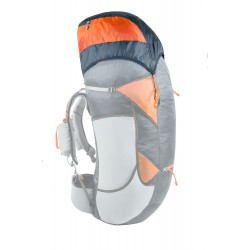
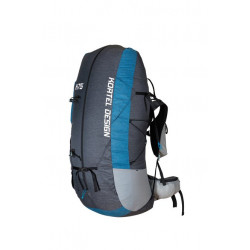
Sak K75
The backpack intended for the Kolbri in bivouc flight mode.
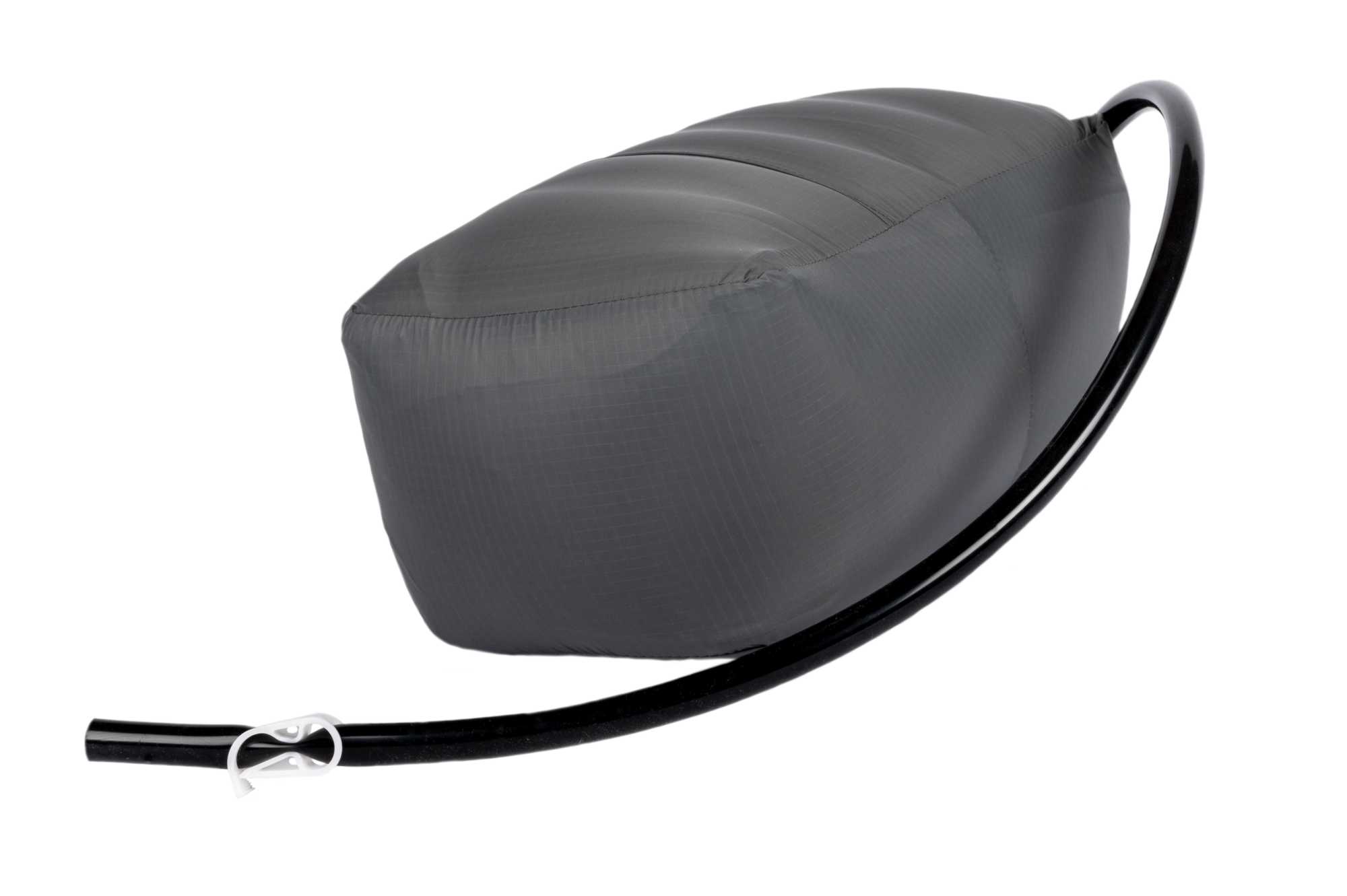
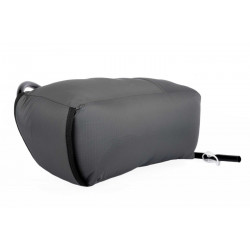
Airbox
Certified inflatable protection
| M | L | XL | |
| Mass (kg) | 1.44 | 1.54 | 1.64 |
| Karbone Ring (g) | 45 | 45 | 45 |
| Links (g) | 20 | 20 | 20 |
| Foam (kg) | 0.4 | 0.4 | 0.4 |
| Total weight (kg) | 1.9 | 2 | 2.1 |
| Certification | CE / EN 1651 / 1249 / LTF |
| Pilot size | ||||||||||
| 155 | 160 | 165 | 170 | 175 | 180 | 185 | 190 | 195 | ||
| Pilot weight | 50 | M | M | |||||||
| 55 | M | M | M | |||||||
| 60 | M | M | M | M | ||||||
| 65 | M | M | M | M | * | |||||
| 70 | M | M | M | M | M/L | * | ||||
| 75 | * | M | M | M/L | L | L | * | |||
| 80 | * | * | L | L | L | L | * | |||
| 85 | * | L | L | L | L | L/XL | ||||
| 90 | * | L | L | L/XL | XL | * | ||||
| 95 | * | L | XL | XL | XL | |||||
| 100 | * | XL | XL | XL | ||||||
| 105 | * | XL | XL | XL |
The lifespan of your harness on how often and how you use it. Mechanical stress and friction gradually degrade its properties. UV rays and humidity can also cause accelerated aging.
Normal service life: 10 years.
Caution: This service life is indicative. A harness be destroyed upon first use. An inspection every 2 years will determine whether the product should be discarded sooner. Proper storage between uses is essential.
The period of use should never exceed 10 years.
Accessories
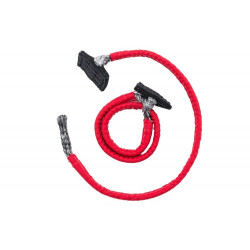
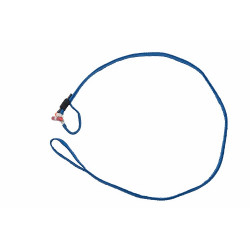
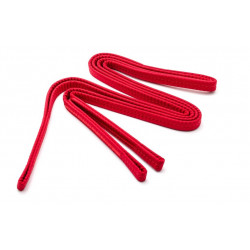
The Kolibri evo lightweight walking and flying harness