Damien LACAZE prepares for the PWCA Superfinal
Here we go, plane ticket booked for the 2018 Superfinal! Heading to Brazil and the Baixo Guandu site in two weeks.
The year 2018 was among the busiest across all levels I’ve ever experienced… 5 weeks of DEJEPS instructor training, 6 weeks of expedition in Pakistan with all the extensive preparation that involves, 5 weeks of competitions, and on top of all that, a job, family life, and a new baby arriving! Needless to say, my partner is truly wonderful…
By year-end I realized it was simply too much—when focusing on sheer quantity, quality drops significantly. With so many demands pulling at once, I had to prioritize my focus, which inevitably reduced performance across several areas. That’s why I wasn’t surprised to deliver one of my toughest competition seasons since joining the World Cup circuit, despite intensive participation (5 weeks is substantial for me).
Unsurprisingly, my qualification for the Superfinal came late due to those previous results. The Superfinal gathers the top pilots from the PWCA circuit over the past year. Selection is strictly merit-based on World Cup results—a true annual world championship where the level matches or exceeds the FAI World Championships, because pilots qualify purely on individual ranking rather than country quotas. This explains why French pilots are always well represented (at least 30 this year), as France remains one of the world's most dynamic nations in paragliding. The competition spans 11 days, usually held late in the year in the Southern Hemisphere or warmer climates to guarantee solid soaring conditions.
This year it runs slightly later than usual, from March 20th to 30th.
How do you prepare for such an event in the dead of winter? Logging flight hours and putting volume on race gliders during this season is tough! Those fortunate enough book several weeks in the sun (Colombia, Brazil, South Africa) to get up to speed. Pre-events are sometimes organized weeks beforehand, drawing many top pilots for early tune-ups.
For the rest of us, we rely heavily on hard-earned fundamentals… But this year we’ve enjoyed an exceptional February. Real, proper thermals right at home! The Gourdon competition last weekend was invaluable training. It allowed me to reconnect with race sensations after three months without flying my Enzo 3. I also tamed my brand-new Kanibal Race 2. Seven hours of airtime over three days, robust thermals, and serious competition with several French National team pilots present. While the terrain differs completely from Brazil—Gourdon involves ridge running on bar whereas Brazil is flatland flying—I was thrilled with how comfortable I felt: flying fast, anticipating rhythm shifts, and thoroughly enjoying myself. I dialed in the final adjustments on my Kanibal; she is race-ready. Beautiful, remarkably comfortable and rock-solid on full speed bar, yet easily tuned more agile in thermals via the ABS setting. In the end, I was delighted with 2nd place overall and winning Task 2.
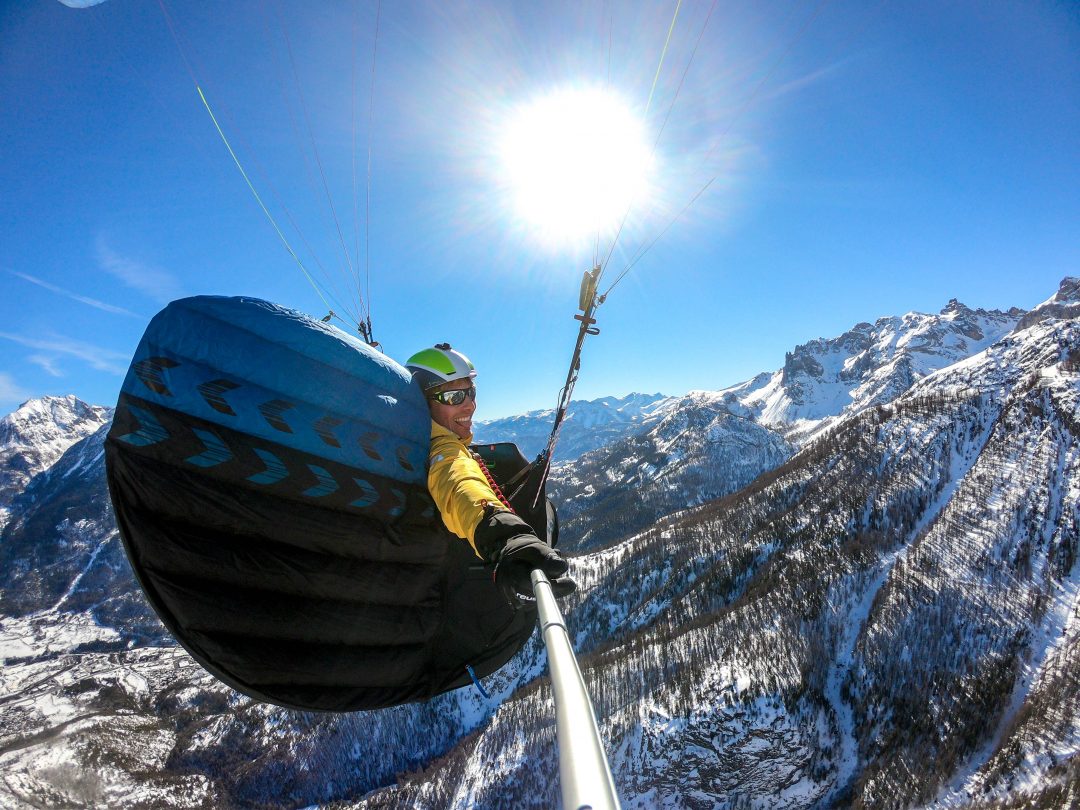
The weather continues to be insolently good these days, so I’m capitalizing on local flights in unusual conditions (snow on peaks, no valley breeze, thermals popping in unexpected spots). It’s always rewarding to rediscover your home valley and break out of familiar routines. I hope to log a few more flight hours before departure.
Strategy-wise, my main goal is to stay relaxed. That’s always been my challenge in comps—putting excessive pressure on myself until it becomes paralyzing. I’m not heading there expecting an outright win, though a top 10 would be fantastic! One guiding motto: “The provisional ranking does not exist!” That’s what Luc, my mentor at the French National Team, always drummed into me. Take each task as it comes, keep the pure joy of flying front and center, and the results will take care of themselves!
Damien Lacaze