
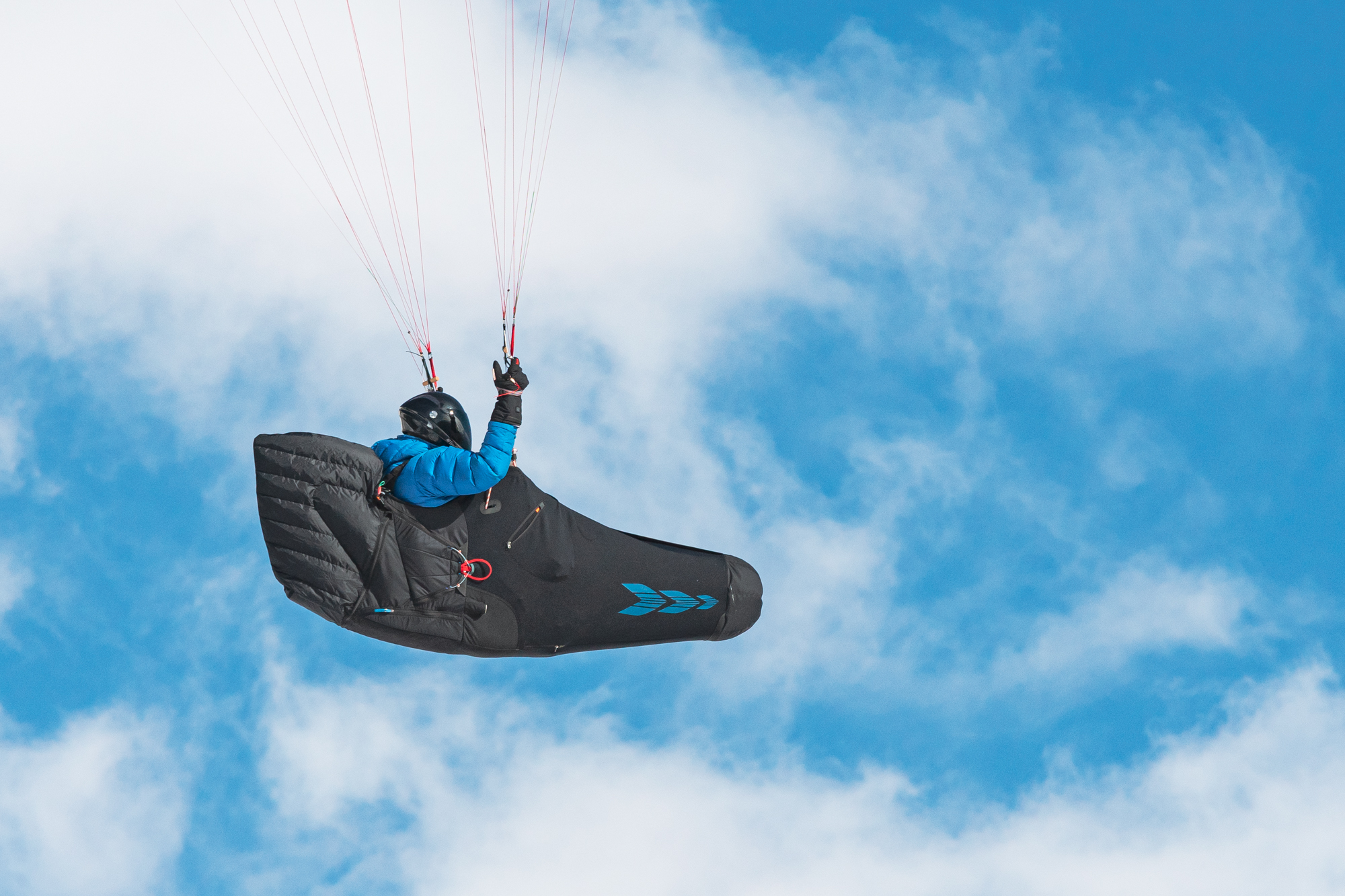
Thoughts on … Harness Comfort
Paragliding offers an extraordinary experience, allowing us to escape the everyday and navigate the open sky. Whether on a tranquil evening glide, descending from alpine summits, or pushing personal cross-country records, we spend anywhere from minutes to endless hours settled in our harnesses. In all cases, finding an optimal and deeply comfortable posture is paramount to savoring these magical flights without physical fatigue.
A genuinely comfortable harness is essential to ensure that long flights remain a joyous adventure rather than an exhausting ordeal.
What defines harness comfort? How do we measure it scientifically?
Broadly speaking, comfort occurs when body posture and movement are experienced naturally and pleasurably, fostering well-being and eliminating pressure hotspots. In a harness, comfort is created by how effectively the structure supports the body. This support must be uniform and distributed across the widest possible surface area. Avoiding isolated pressure points is crucial. Ergonomic comfort is fundamentally governed by pressure: for a given pilot weight, expanding the contact surface area proportionally lowers the localized pressure exerted on tissue.
ADJUSTMENTS
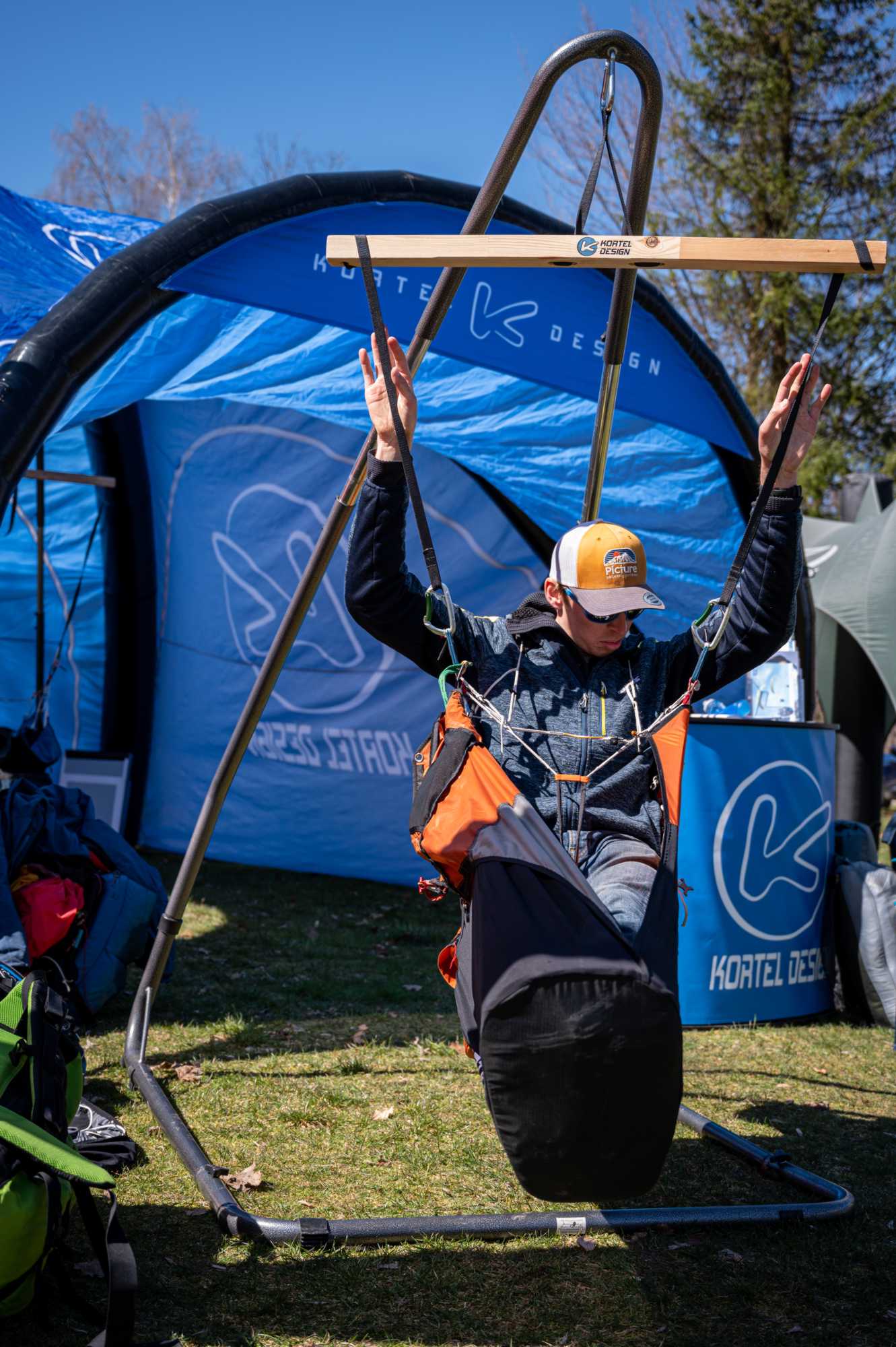
When testing a harness, it is vital to take your time and explore every adjustment strap to contour the geometry precisely to your body shape. While certain designs may appear intricate at first glance, comprehensive adjustments are precisely what guarantee true enduring comfort on long flights.
Primary harness adjustments include:
Dorsal / Back recline: Sets the baseline seating angle from upright to reclined. As we will see, this directly influences weight distribution and overall comfort.
Lumbar adjustment: Vital for supporting the natural lordosis curve of the lower spine according to your recline angle. This setting ensures the backrest molds closely to your spinal contour.
Pod length or foot stirrup (if fitted): Adjusts leg extension and under-thigh support. Incorrect pod length will ruin harness ergonomics, regardless of how well other straps are dialed in.
Take time to hang suspended for at least 15 to 20 minutes to uncover latent pressure points. Often, an over-tightened strap feels imperceptible during the first few minutes, but turns intolerable after half an hour as muscles and fabrics settle. Patience on the hang simulator is key.
Let us explore the core factors that dictate perceived harness comfort.
CONSTRUCTION
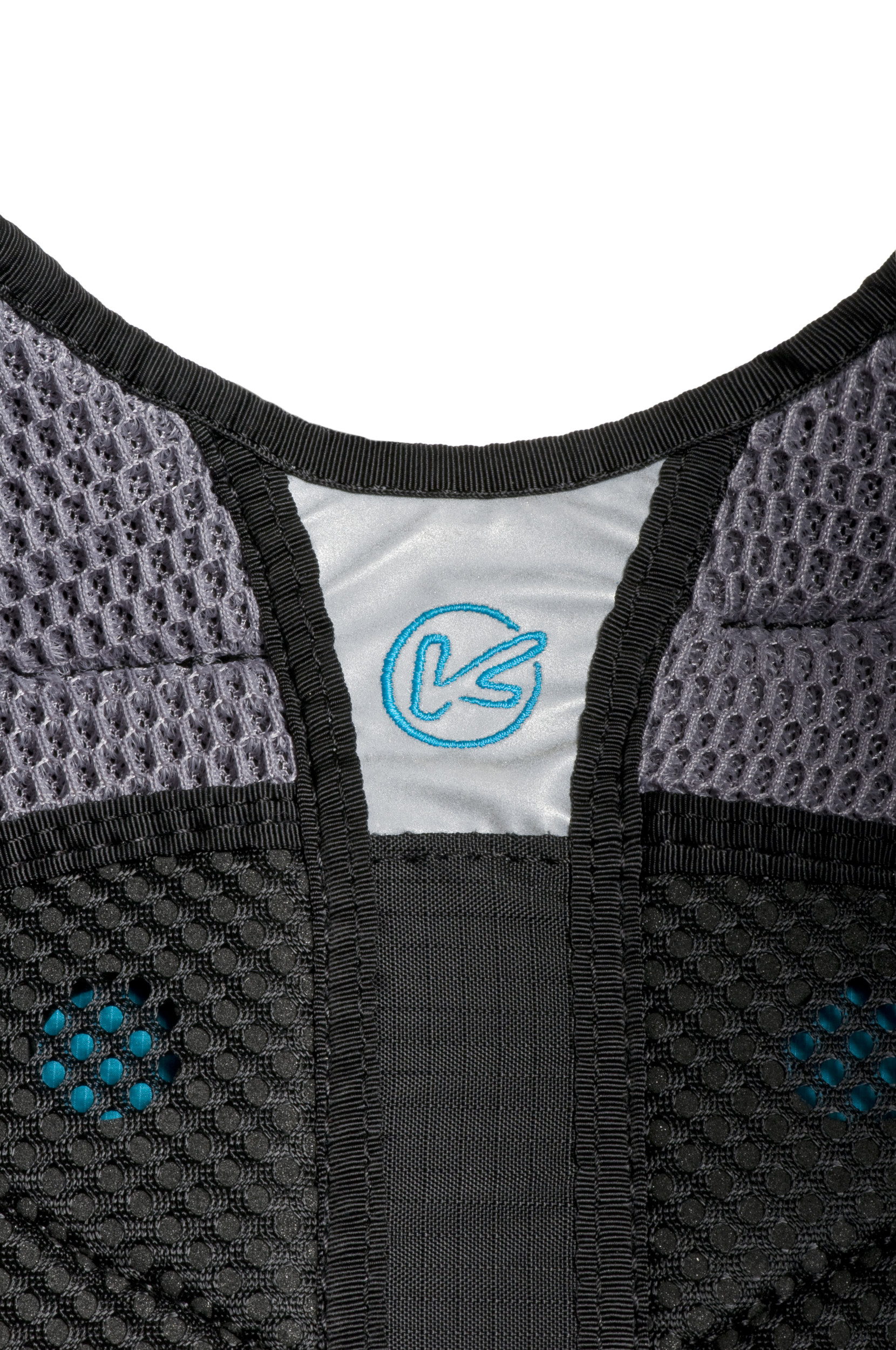
Harness comfort is not merely a matter of strap settings; it reflects the designer's structural craftsmanship. Fabric selection, 3D anatomical patterning, progressive foam layering, and seam placement are fundamental. The human body features complex multi-axial curves that cannot be smoothly supported by flat 2D textile panels without creating wrinkles and localized pressure spikes under pilot weight. Advanced sewing architectures break down complex shapes into contoured 3D shells—this is where design expertise proves decisive.
While comfort does not automatically scale with weight, a sophisticated combination of structural textiles, composite stiffeners, and foams will invariably offer superior ergonomic support compared to a stripped-down ultralight harness built with minimal fabric.
FLIGHT POSTURE
(Upright vs. Reclined)
Perceived comfort is directly linked to the physical pressure exerted across the pilot's body. That pressure equals total supported weight divided by total contact area. By expanding the contact area, we proportionally reduce peak pressure. For instance, transitioning from an upright sitting posture to a reclined position significantly increases contact area: as illustrated below, the green contact patch in an upright seat is much smaller than the expansive red support area in a reclined pod harness. Because pilot weight remains identical, average and peak pressures decrease markedly, delivering superior long-term comfort.
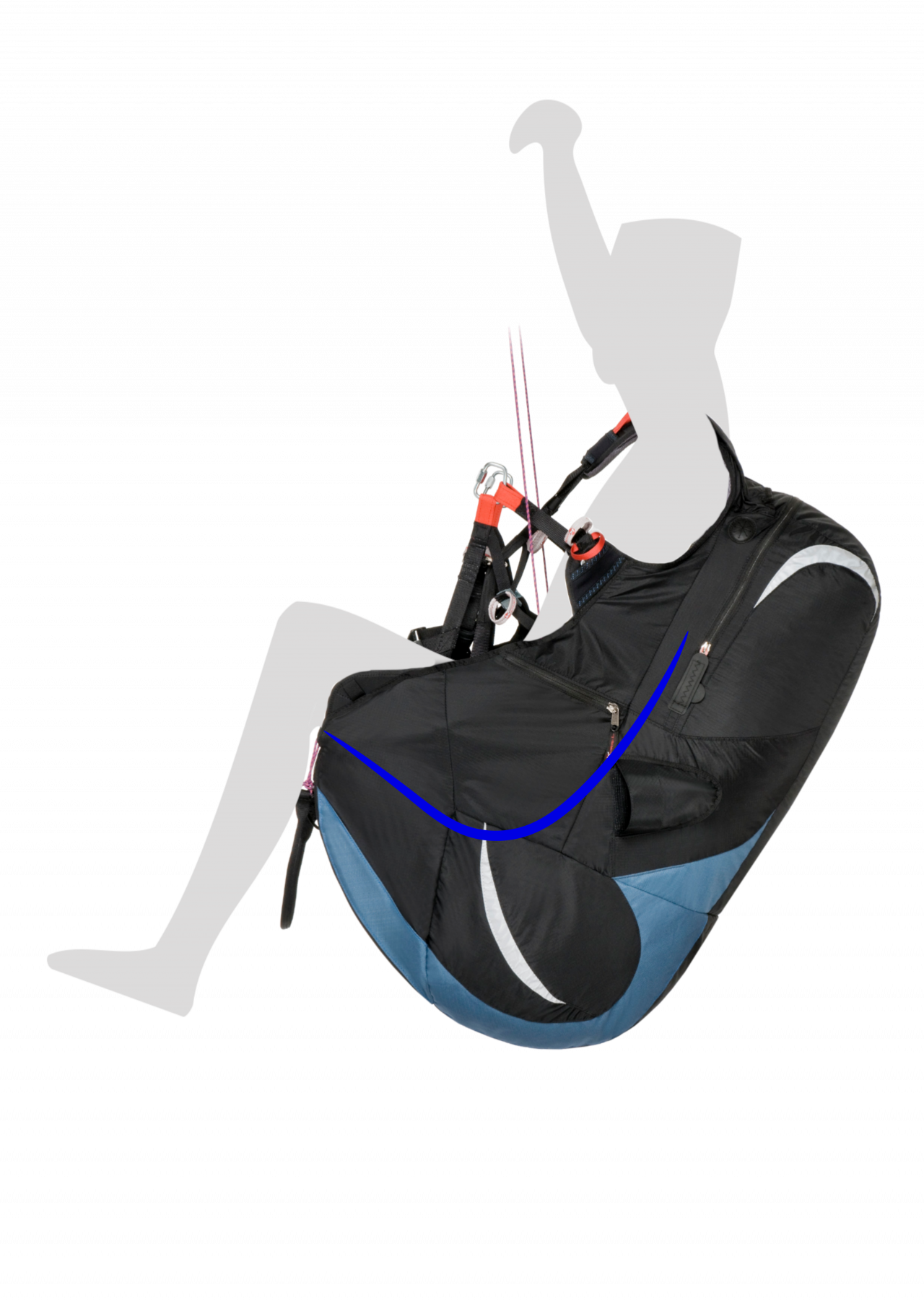
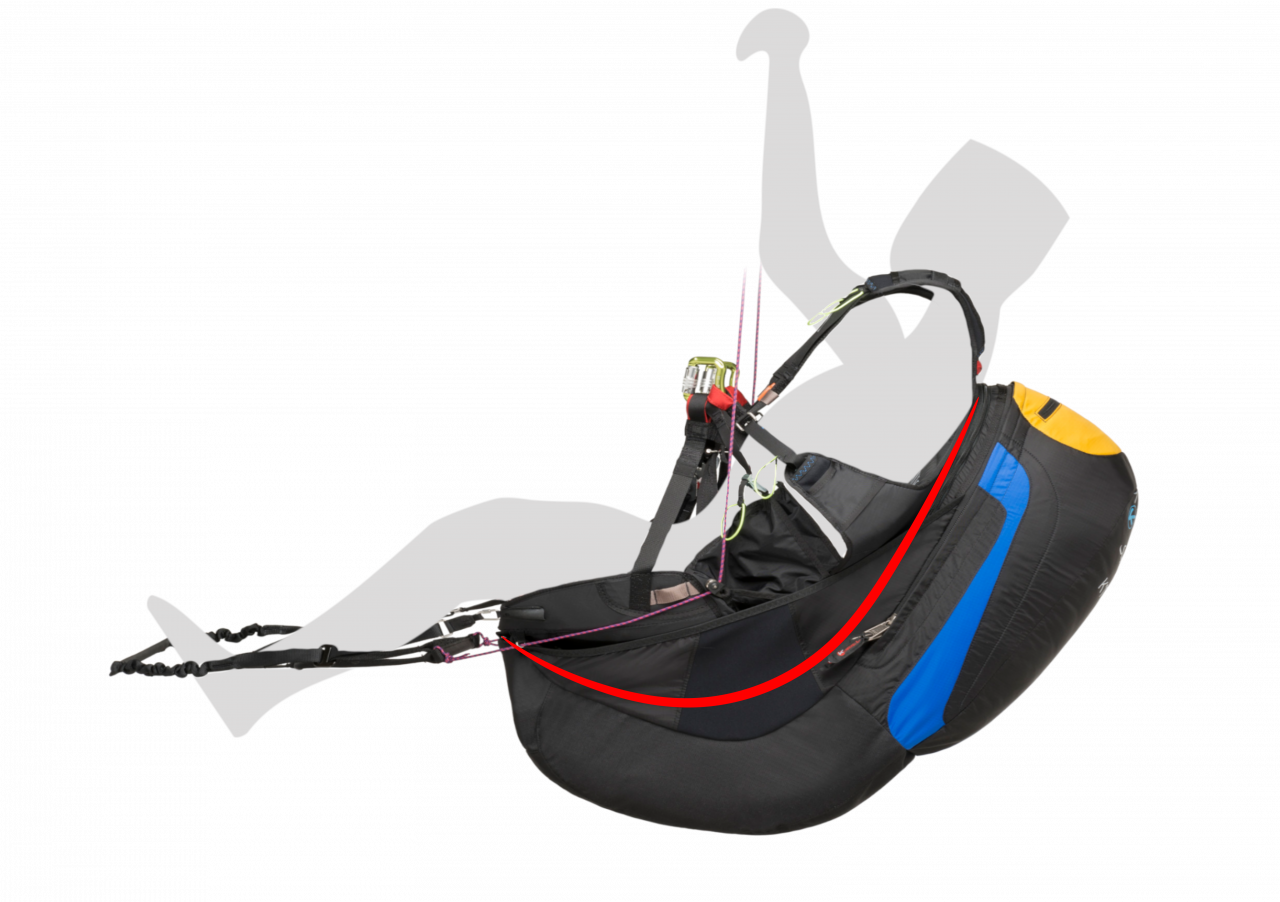
This explains why training harnesses feature an upright posture: early training flights are brief, and upright geometry simplifies takeoffs and ground handling. While upright harnesses can certainly be flown for longer sessions, fatigue accumulates faster compared to an ergonomically reclined harness.
If you wish to enhance the comfort of an upright harness without buying new gear, adding a foot stirrup allows you to extend your legs into a comfortable semi-reclined posture, provided your harness's dorsal recline range accommodates it.
PILOT EXPERIENCE LEVEL
(Straight Glides vs. Thermalling Turns)
As flight experience grows, in-flight posture shifts. Pilots learning to thermal spend approximately 70% of their flight turning in lift and 30% gliding between thermals. Conversely, experienced XC pilots core thermals efficiently without lingering, pushing full speed bar along straight energy lines: they spend 70% of their flight in straight glides and only 30% turning.
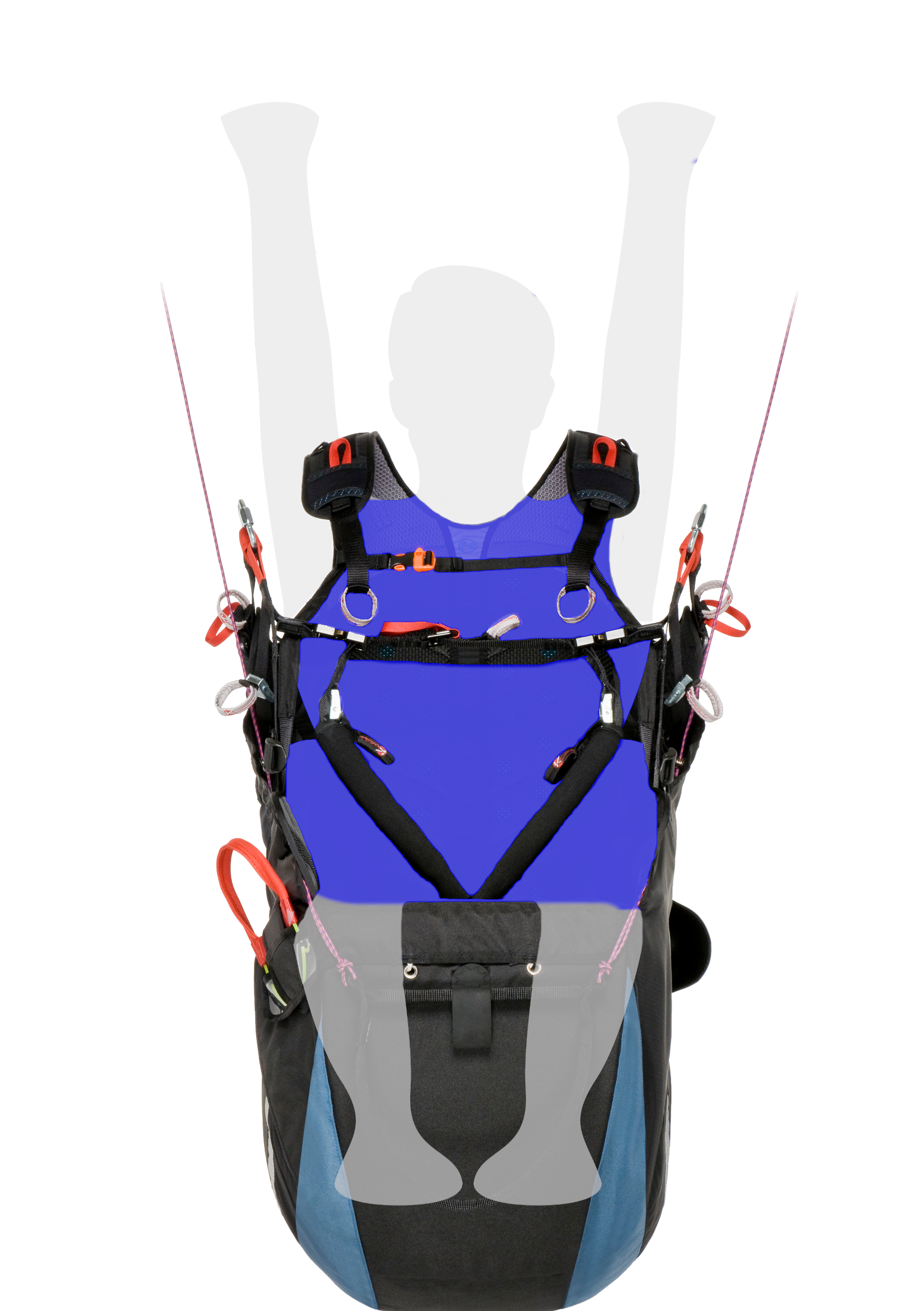
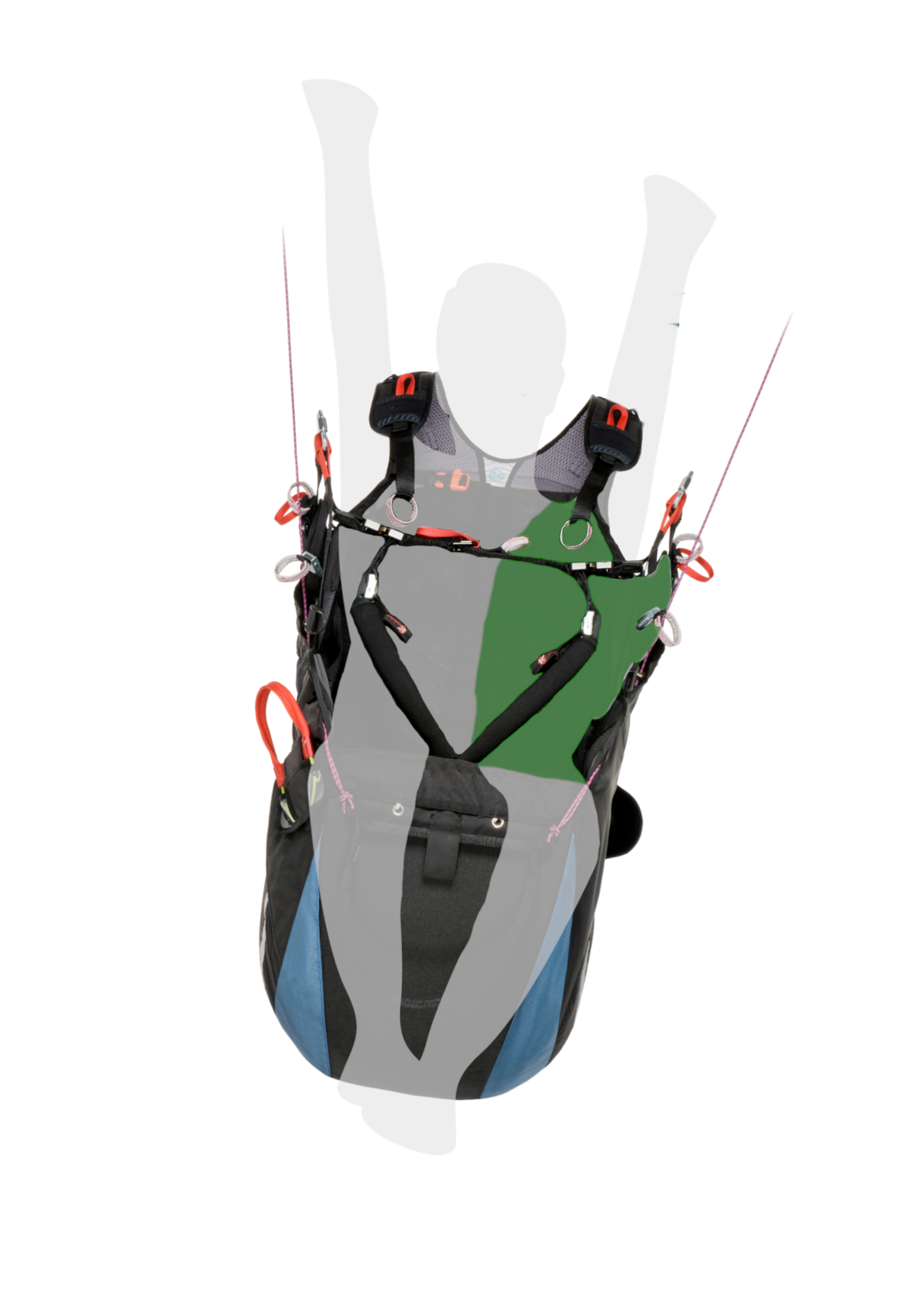
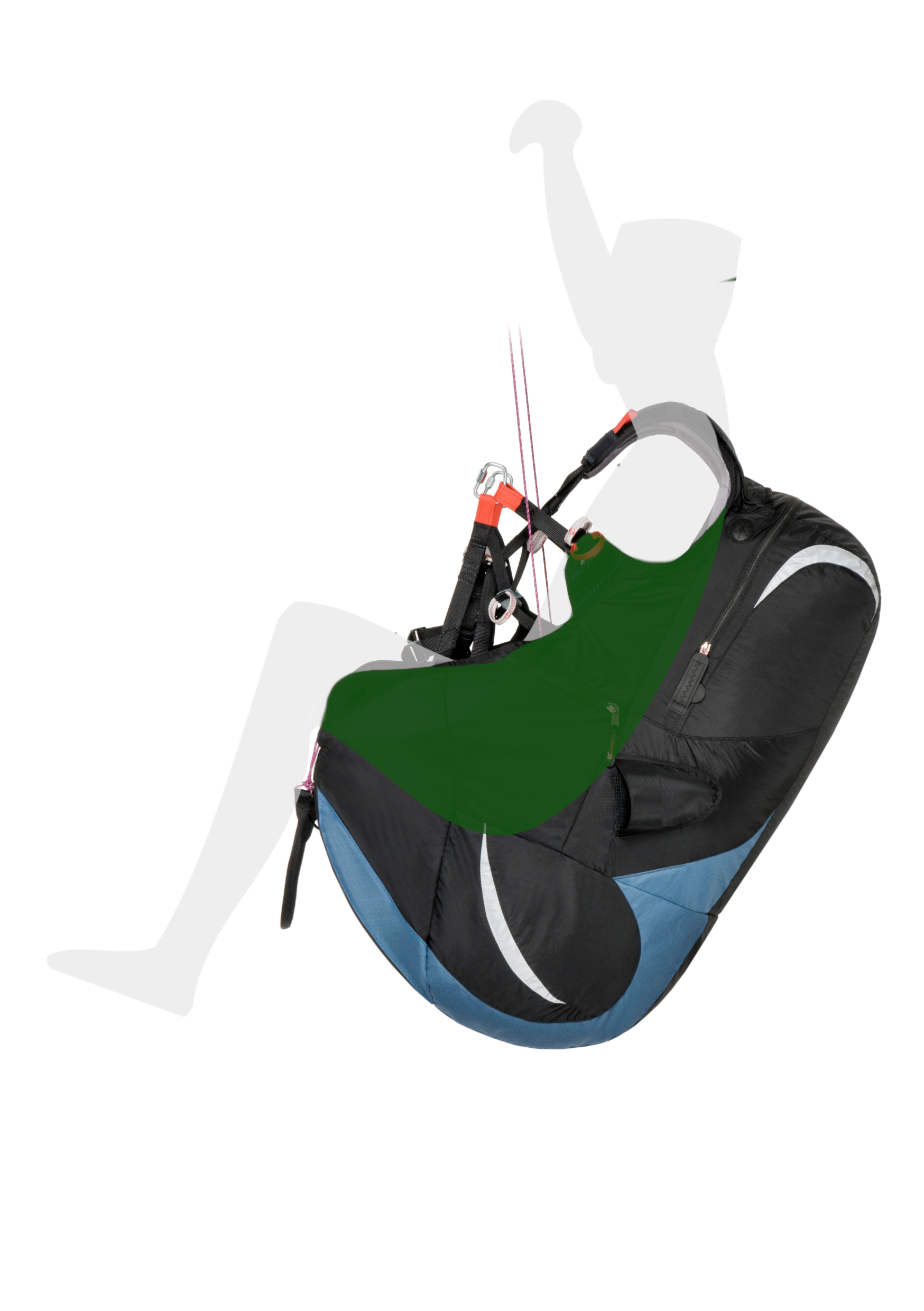
The diagrams illustrate mass distribution shifts between straight flight (in blue) and banked thermalling turns (in green). It is therefore essential to prioritize comfort for the flight posture where you spend the majority of your airtime. When testing harnesses on a hang frame, simulate weight-shift roll angles to assess lateral hip and thigh support. Do not settle for evaluating a symmetrical, static posture that only tells half the story.
The ideal comfort profile is thus inherently tailored to your flying style, discipline, and progression goals.
CONCLUSION
Harness comfort rests upon four foundational criteria when choosing your companion for years of flying:
Adjustability: A harness with precision adjustments allows you to calibrate geometry and maintain flawless posture. While initial setup takes care, adjustability ensures long-term ergonomic refinement.
Construction: Decades of manufacturer craftsmanship guarantee advanced tailoring, sophisticated 3D patterning, and premium material integration that prevent localized pressure hotspots.
Flight posture: Reclined positions naturally distribute pilot mass over a larger surface area, greatly mitigating fatigue across prolonged flights.
Experience level: Match the design to your actual missions. An ultralight mountaineering harness prioritizes packability and cannot offer the plush support of a dedicated XC pod, nor is it designed to.
Weighing these factors thoughtfully will ensure you find a harness that keeps you comfortable, focused, and flying high for seasons to come.