
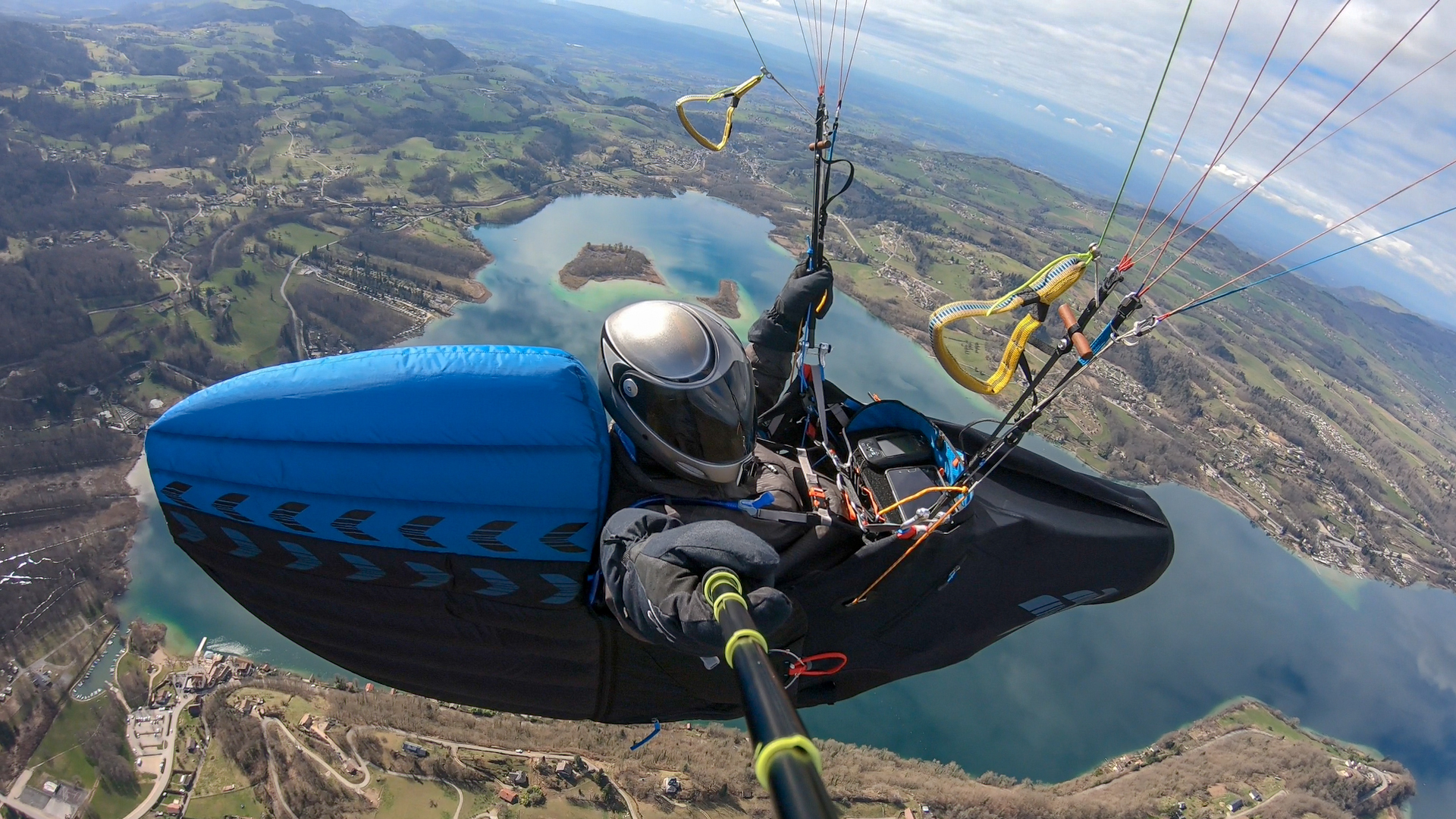
What Makes a Good Harness?
PARAGLIDING HARNESS
(Wikipedia definition)
“In paragliding, the harness is the seat in which the pilot sits. It is connected to the glider's risers via two carabiners. The pilot is secured within it by safety webbing straps.”
As the glider navigates dynamic air, it communicates airmass variations to the pilot through the harness. The pilot reacts to these cues through brake inputs, but equally through subtle weight-shift commands across every body surface touching the harness. A well-designed harness brings pilot and wing into complete harmony.
The finest wing in the world cannot deliver its true performance if the other two elements of the trio are misaligned.
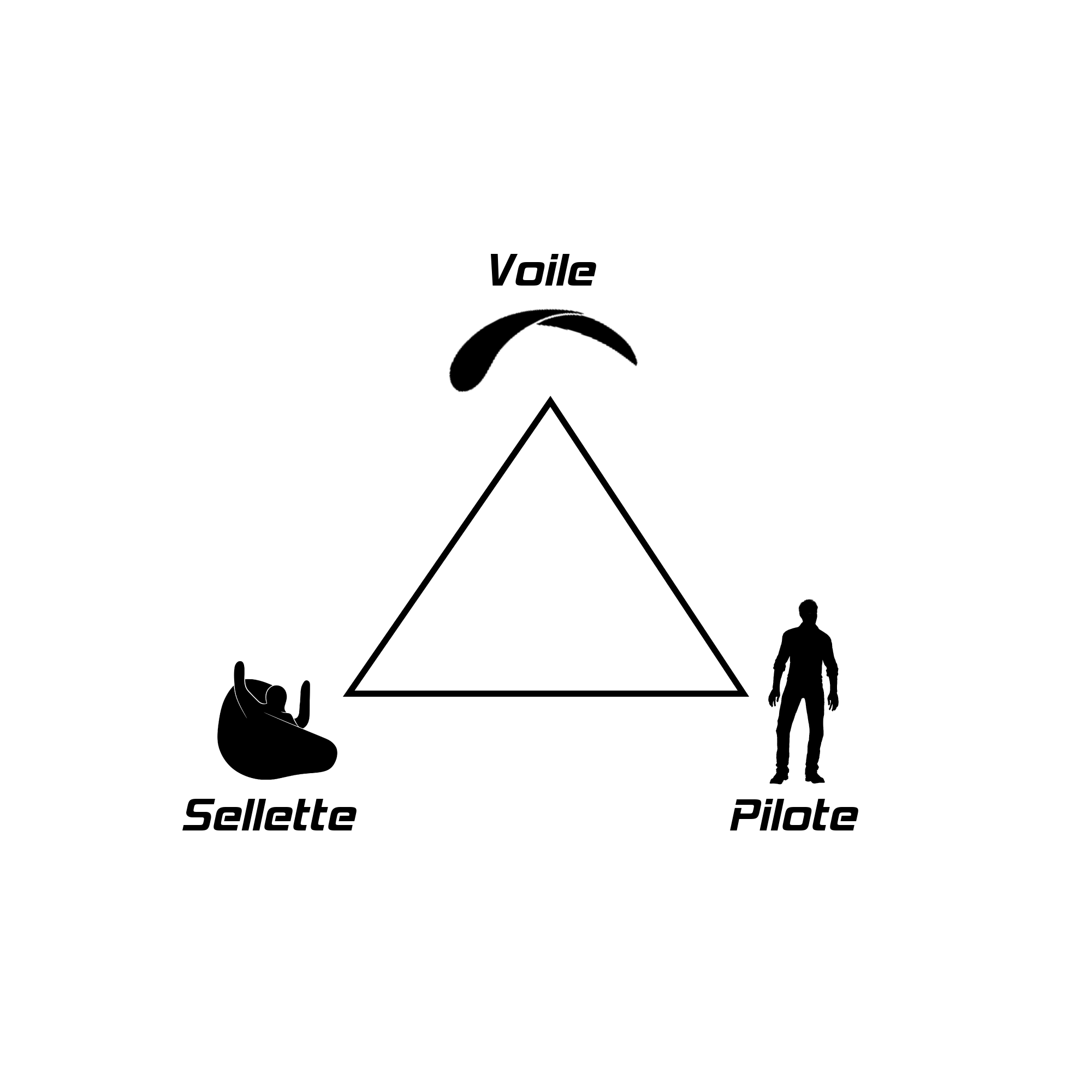
The one that best matches YOU and YOUR WING!
NOTE:
We will set aside optional features (storage capacity, protection type, pack volume, etc.) which naturally influence your buying decision, but do not dictate fundamental aerodynamic and biomechanical synergy.
The starting point is your wing and your flying ambitions. You need a thorough understanding of your glider's character and demands.
A cross-country/competition pilot has vastly different requirements than a beginner working thermals on a home ridge, or a hike & fly mountaineer.
Never take a minimalist mountain harness to race a high-level competition!
An agile, dynamic wing often benefits from a relatively stable harness that dampens aggressive roll movements. Conversely, a more agile, weight-shift-sensitive harness can awaken an overly damped, sluggish glider.
A demanding, high-performance wing requires authoritative, precise weight-shift authority in all conditions to unlock its full polar curve, backed by comprehensive adjustability. A harness built around a rigid seat board generally delivers crisper, more linear steering precision than a split-leg design. Proper structural stiffness eliminates parasitic pilot yaw and roll inputs, optimizing glide efficiency in every phase.
Beginners, on the other hand, should favor a forgiving, intuitive harness that lets them pilot with composure without being overwhelmed by excessive feedback. The harness should filter aerological noise while still encouraging active flying fundamentals.
A mini-wing or speedwing is typically flown with a split-leg harness to absorb rapid, twitchy roll movements. Flying a mini-wing with a responsive seat board risks inducing pilot-induced oscillations (PIO) and perpetually trailing behind the glider.
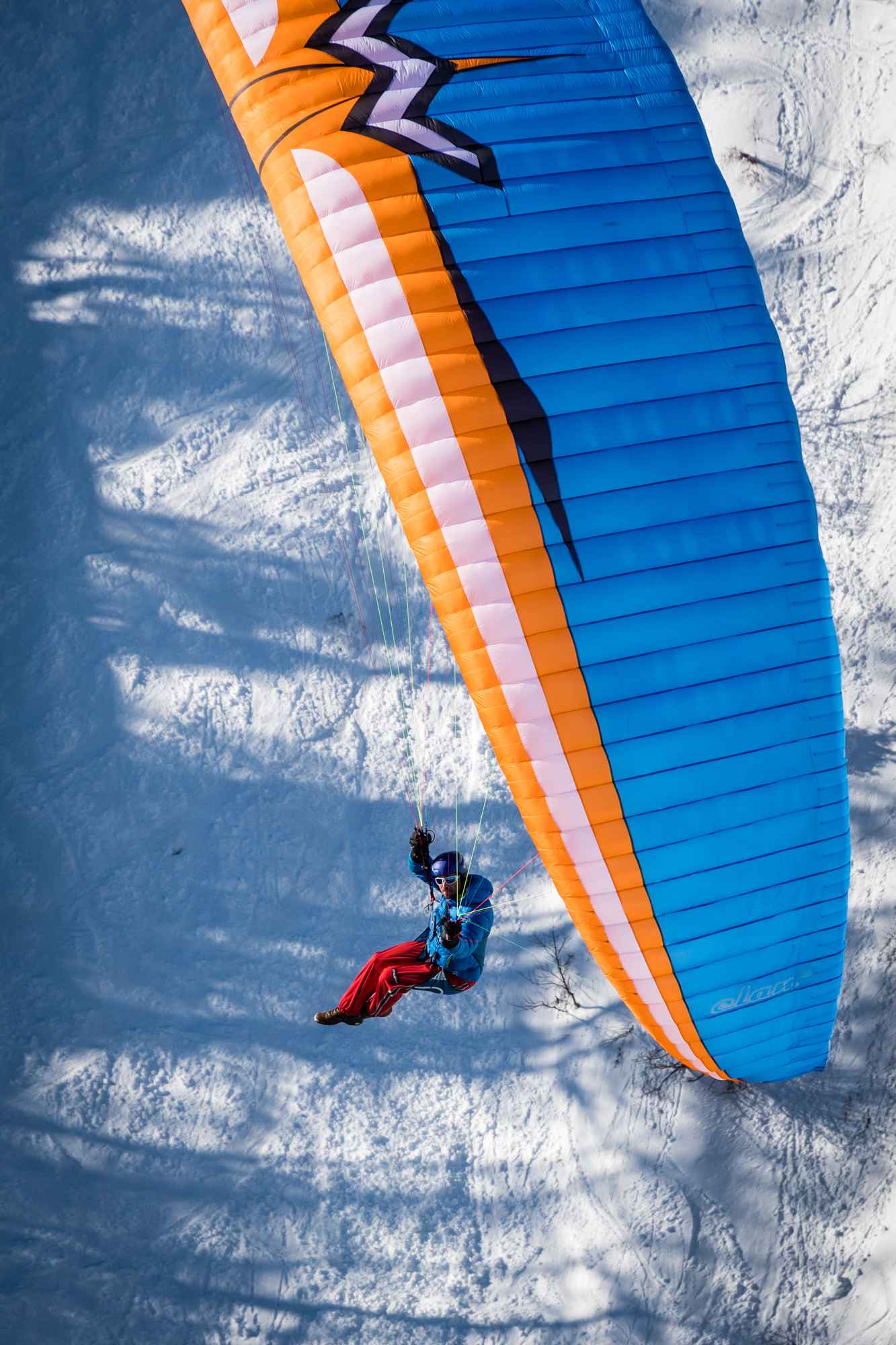
The second pillar is the pilot. Every individual has a distinct physique: height, build, torso proportions, and body weight distribution…
Furthermore, pilots differ in experience levels and progression goals…
We can identify three broad pilot profiles:
- The beginner, focusing primarily on short local site flights.
They require an open, upright field of view forward and downward to easily spot landing references and ground terrain, coupled with high roll damping to smooth out turbulence. An upright seat-board harness is the logical choice.
- The performance cross-country and competition pilot.
Their visual focus centers primarily in the sky (thermal triggers, cloud streets, drift lines, birds, rivals), naturally favoring a streamlined, reclined posture. They require lower roll damping to receive clear thermal feedback. Because flights last several hours, physical comfort and ergonomic support are paramount to preserve concentration. A faired pod harness is indispensable here.
- The progressing intermediate pilot, coring thermals and extending flight duration.
Positioned between the two, their sensory requirements are evolving. As they progress, they will transition toward a semi-reclined seating posture with a foot stirrup, before eventually transitioning to a pod.

The final element ties the other two together: the harness itself.
Every pilot has personal preferences. In the air, some thrive in a flat, reclined position, while others feel insecure without an upright posture. Some stay completely relaxed in rough thermals, while others tense up as soon as the air becomes active.
Adjusting your harness on a hang frame provides initial familiarity and dials in baseline settings. In flight, however, real aerological forces come into play: wing yaw, g-forces, active turbulence, and physical fatigue. Your posture will shift, requiring fine-tuning after landing.
Tip: During testing, note precisely what you like (and dislike) to guide future selections. If you know you prefer a stable geometry (higher hang points, ABS cross-bracing), avoid testing notoriously twitchy, unstable models.
Comfort is inherently subjective. No single harness can be crowned universally comfortable for everyone. In fact, real discomfort often appears only after two or three hours in the air—issues impossible to spot in a 5-minute hang-frame session.
A painful harness is a genuine flight safety hazard: physical agony distracts the pilot and degrades mental clarity.
There is simply no substitute for test flying a harness in real thermal conditions.
At this stage, you should have identified candidate harnesses that complement your wing, suit your body shape, and keep you comfortable across extended flights.
The hardest work is done!
Now, compare complementary specifications:
- Back protection: foam-bag, inflatable protector, or ram-air airbag?
- Rescue container: under-seat, rear, or front-mount? Single or dual reserve?
- Storage capacity and ballast compartments?
- Accessories: stirrup, pod, cockpit instrument deck?
- …
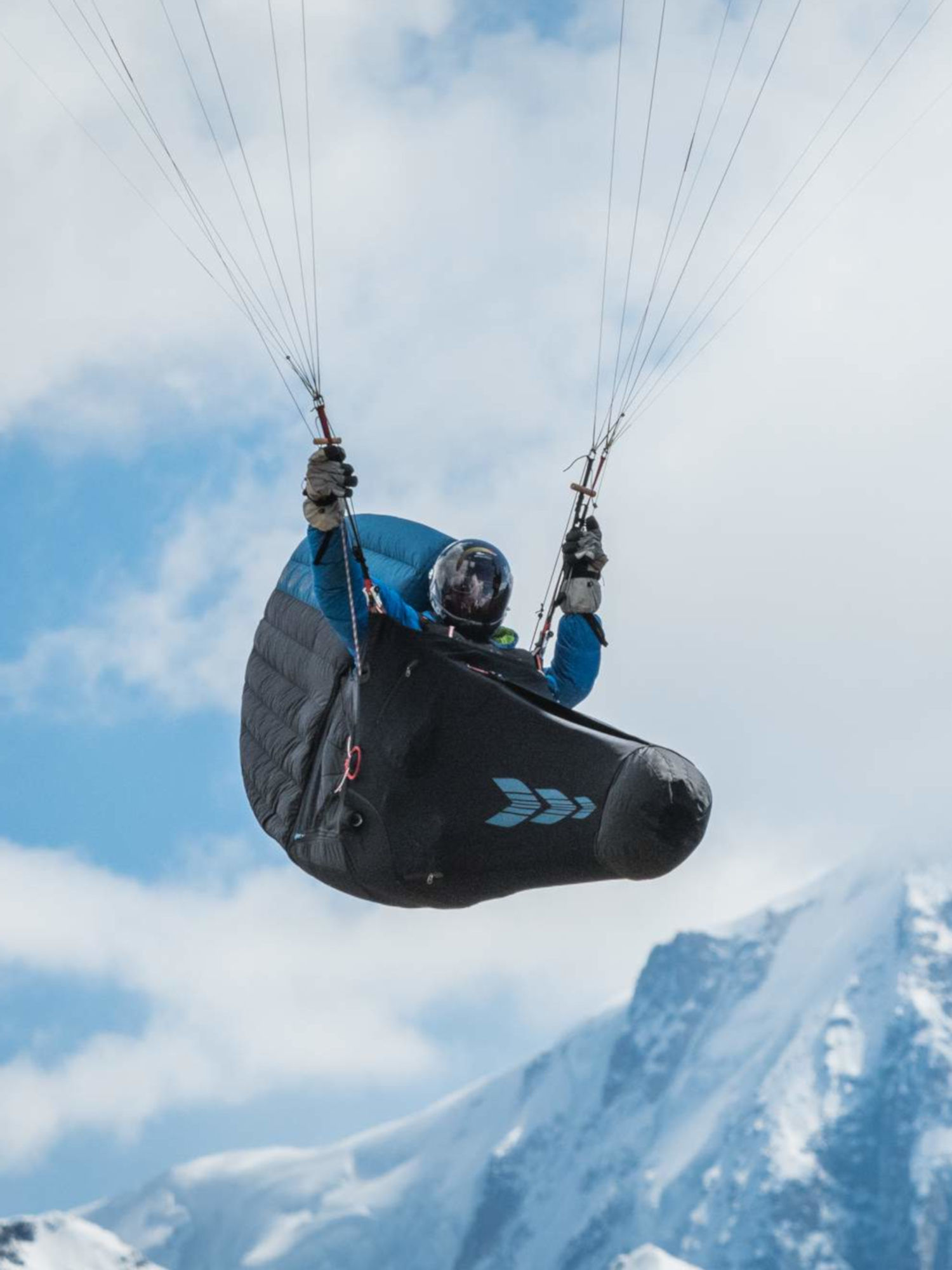
Never compromise on wing harmony and pilot ergonomics: it is far better to fly a harness that provides flawless comfort and handling, even if it happens to be missing one small accessory pocket…
A harness is a long-term investment that pilots typically keep through several wing upgrades.
PILOT INSIGHTS…
A good harness is also intuitive and simple to adjust, instilling absolute confidence across any flying discipline or aerological challenge (acro, XC, hike & fly…).
Next comes comfort. Flying in complete ergonomic comfort is the prerequisite for unlocking the full capabilities of your glider.
Beyond that, brand reputation matters: craftsmanship, structural durability, premium textiles, and dedicated after-sales support make all the difference over time.
For XC and competition (paired with a high-aspect wing): comfort, aerodynamic profiling, transition stability with the ability to unlock agile roll in thermals, and reasonable weight for travel.
For hike & fly (paired with a lightweight performance wing): low weight without sacrificing back support, aerodynamics, and stability. For mountain run-and-fly (with an ultralight wing): the absolute lightest build with enough comfort for an hour in the air…